Keyword: Collective Story-making, Worlds in Common, Future Envisioning
<Co-Weaving> project was initiated in 2024 from the realization that our futures are not created by a single person, but by the collective intelligence of many. The global problems of climate change and inequality we face cannot be solved alone; they require collective action and solutions. Therefore, the Co-Weaving workshop focuses on cultivating the methodological structure of the collective story-making process, in which multiple participants influence each other’s stories, manifest different desires, and encourage what we have in common, rather than crafting a perfect narrative attributed to a single, genius author of Western modern aesthetics. In other words, this artistic research experiments with collaborative storymaking methods through the choreography of voices of multiplicity, seamlessly interweaving affective sensations, movement, speech, time, and space.
<Co-Future Weaving> workshops have further opened to various art & cultural groups. We are in search of collaborating with urban/rural communities, in order to facilitating community discussions on sustainability and future concerns amid economic turbulence, redevelopment plans, aging populations, and climate change. This approach aims to enhance communities’ collective knowledge-making process. This workshop is inspired by social change and participatory design workshops (Jungk et al. 1987; Joint Research Center 2019; Um 2014), people’s assembly (Folket Ting), Non-Violent Communication. Through this inquiry, Co-Weaving aims to seek every procedure as an opportunity to remake the relationships that the capitalocene unmade as an artistic intervention.
Reference
Jungk, R and Müllert, N. (1987) Future Workshops – How to Create Desirable Futures. London: Institute for. Social Invention.
Joint Research Center, 12 November 2019, Exploratory Workshop -Future Trends and Farmers in 2040, EU Policy Lab, https://policy-lab.ec.europa.eu/news/exploratory-workshop-future-trends-and-farmers-2040-2019-11-12_en
Tejiendo Futuros. (2023) Weaving Futures Toolkit, https://www.unglobalpulse.org/document/weaving-futures-tejiendo-futuros-toolkit/
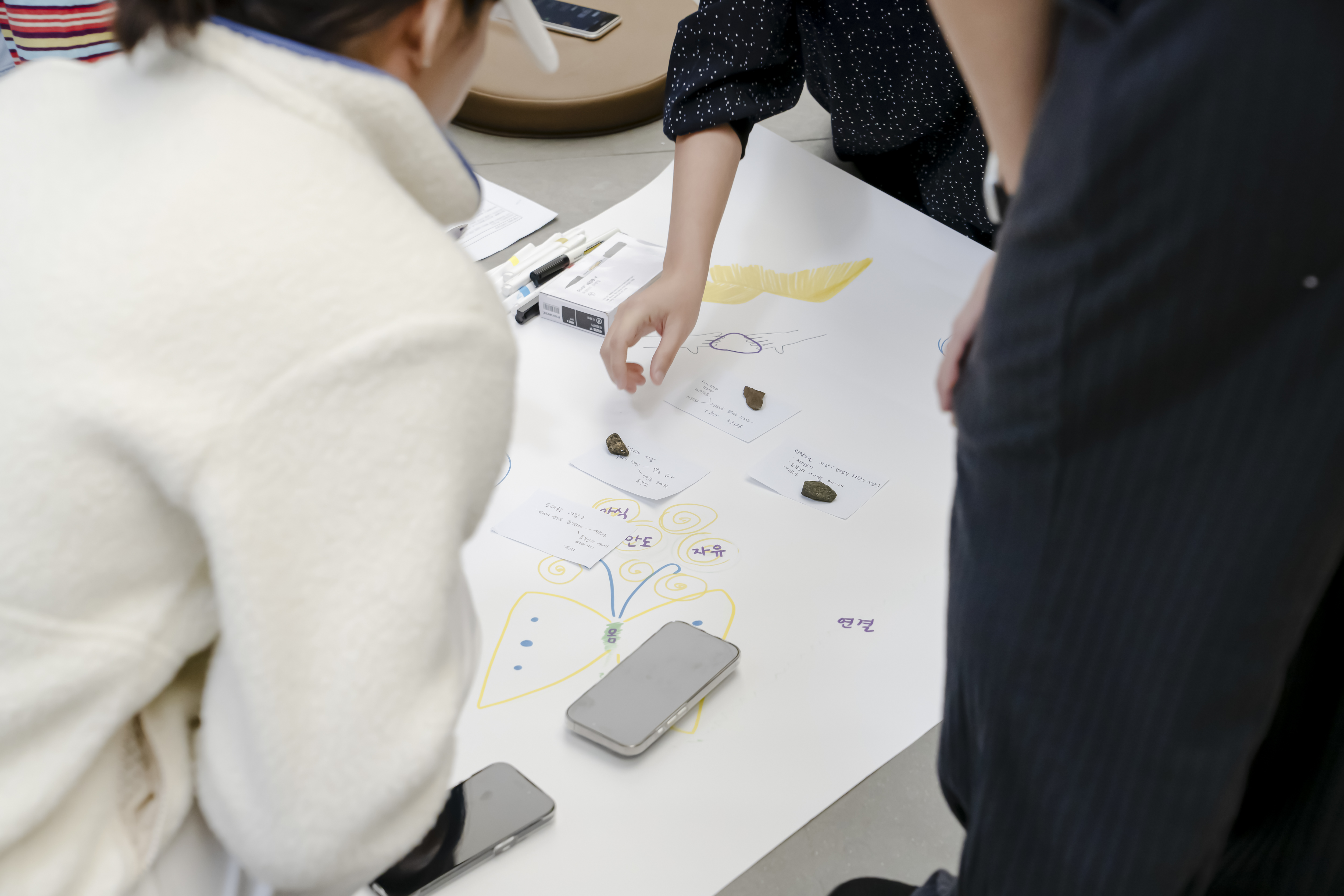
<Future Care Making Project> Workshop Series in Seoul with Artist & Parents Artists Communities (2024)
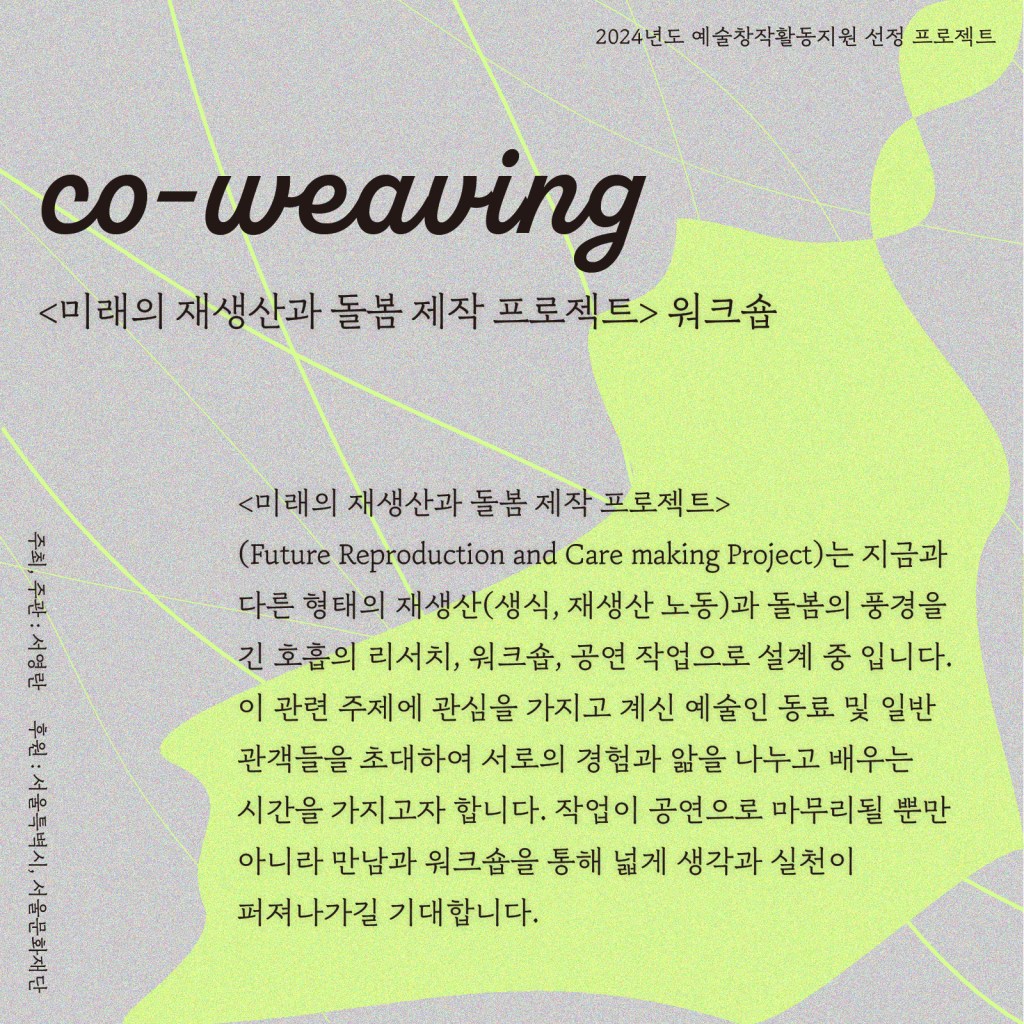
is designing a landscape of reproduction (reproduction, reproductive labor) and care that is different from the present through long-term research, workshops, and performance work.
We would like to invite fellow artists and the audience who are interested in this topic to share andlearn from each other’s experiences and knowledge. We hope that the project will not only be completed with a performance, but that ideas and practices can spread widely through meetings and workshops.
Practice Sharing
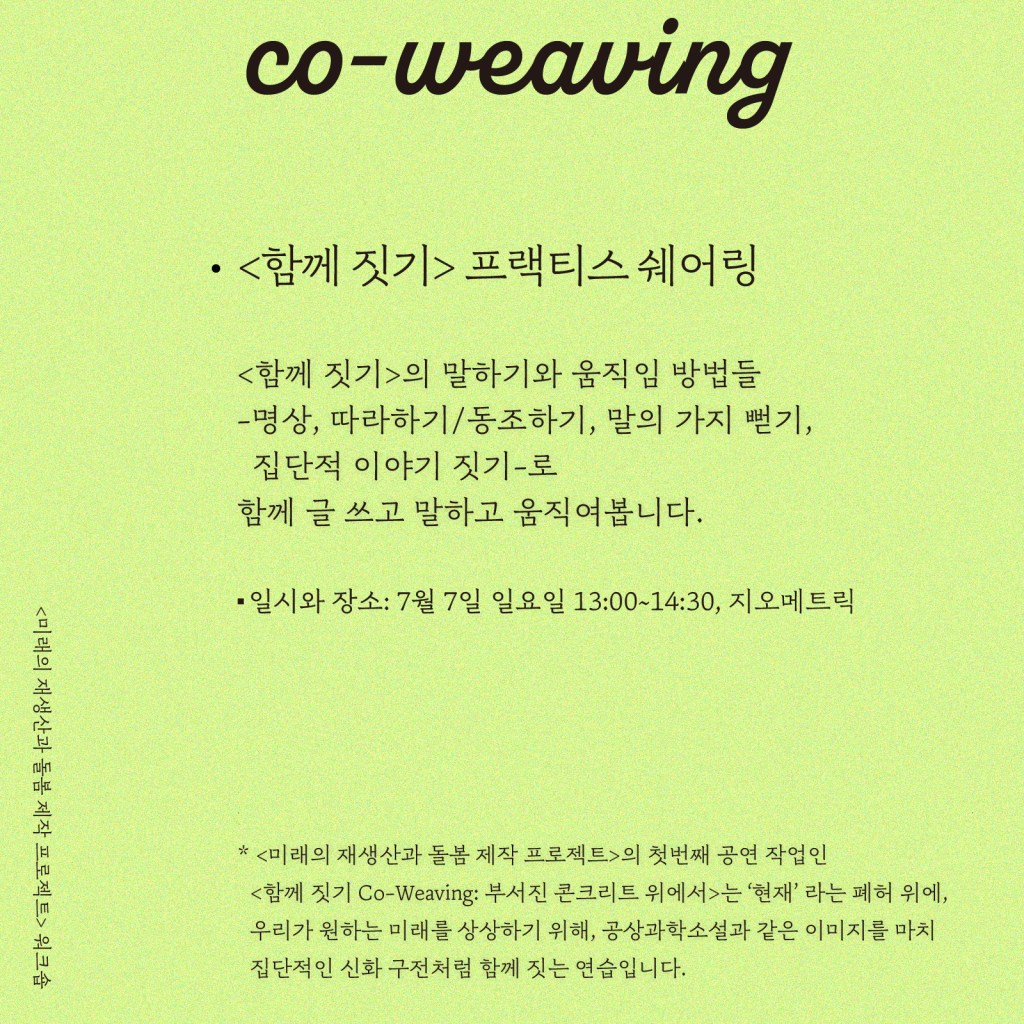
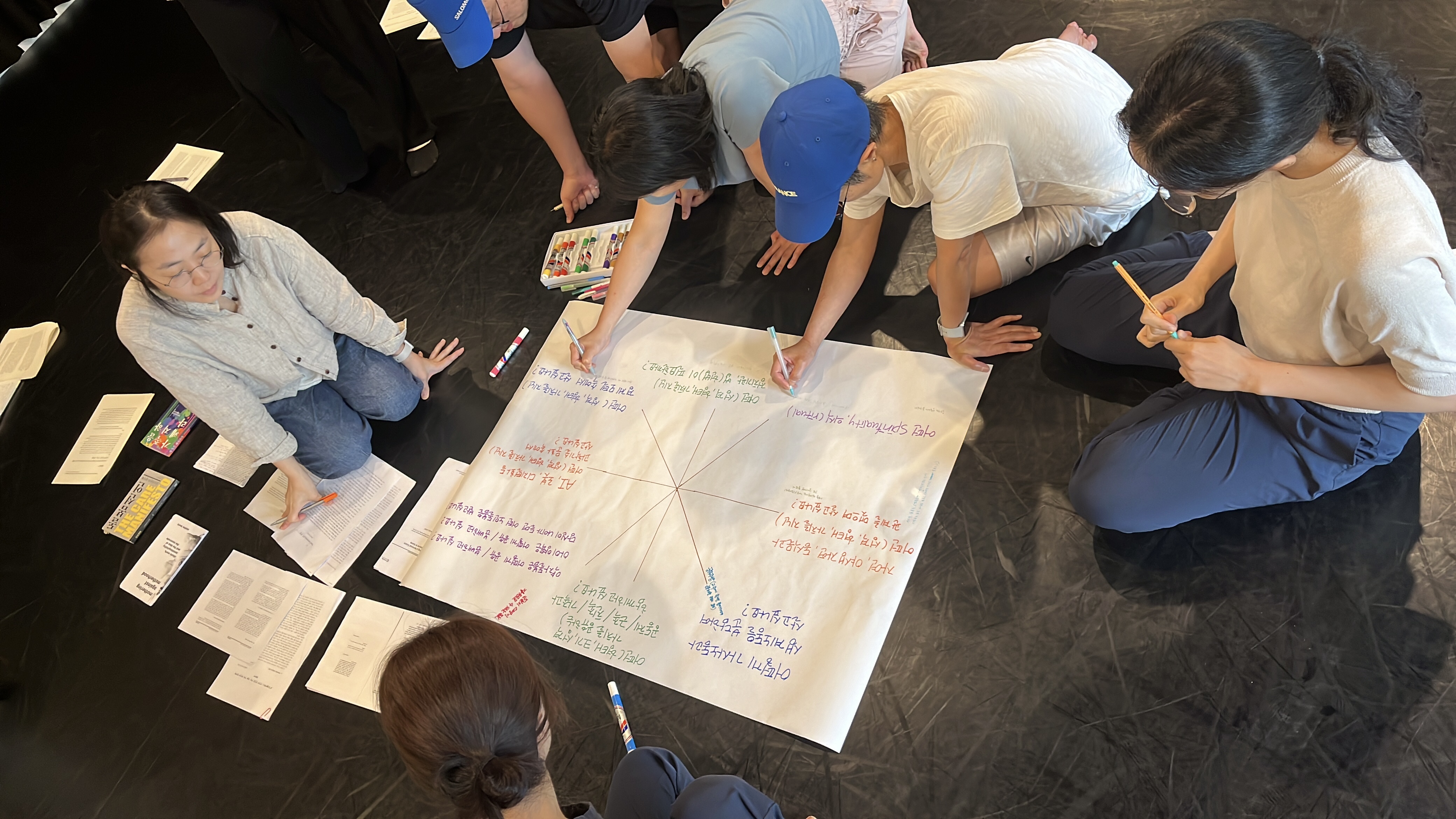
In this workshop, we write, talk, and move together using the choreographic methods of the <Co-Weaving> performance – meditation, imitating/synchronizing, extending the branches of words & sentences, and building a collective story.
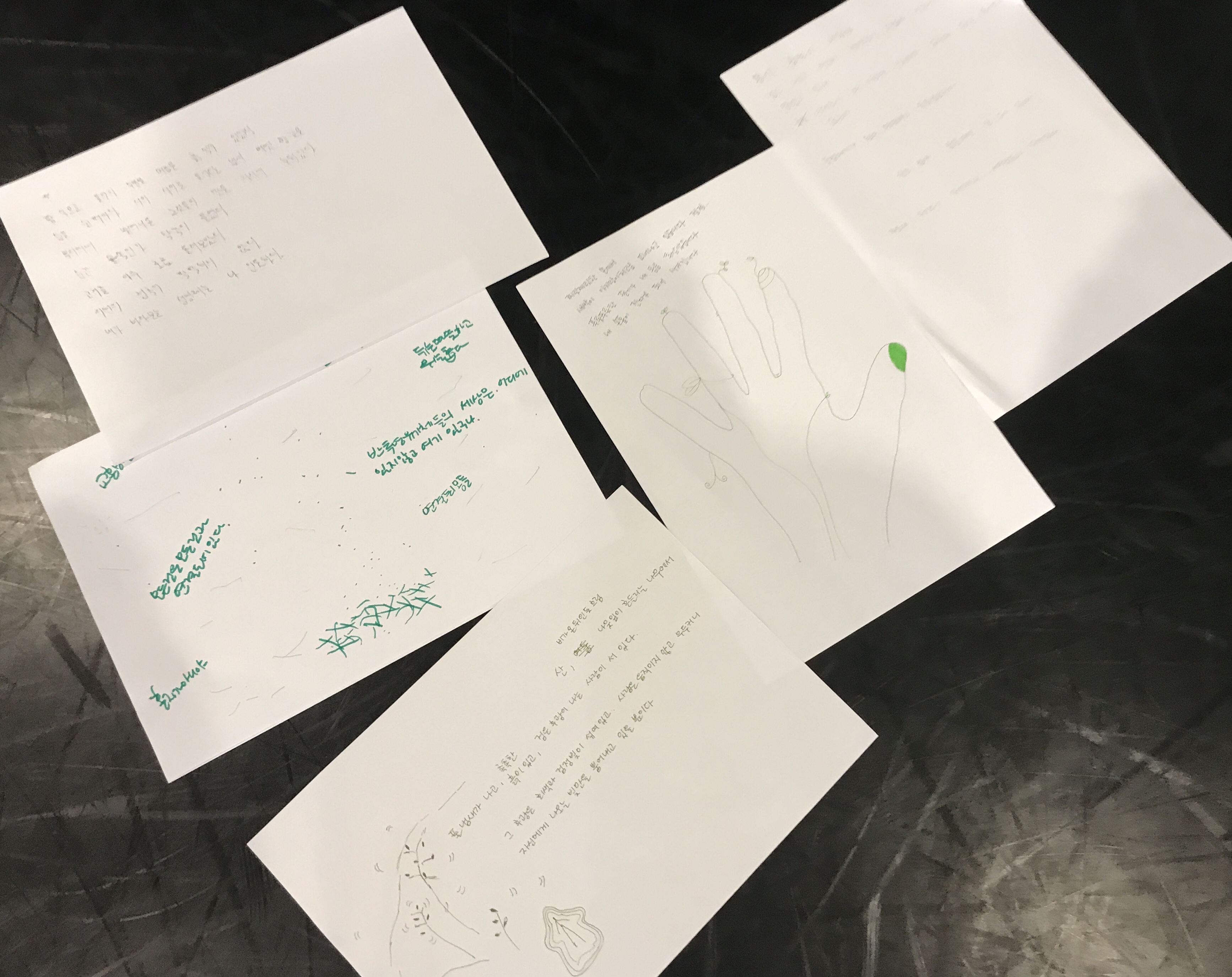
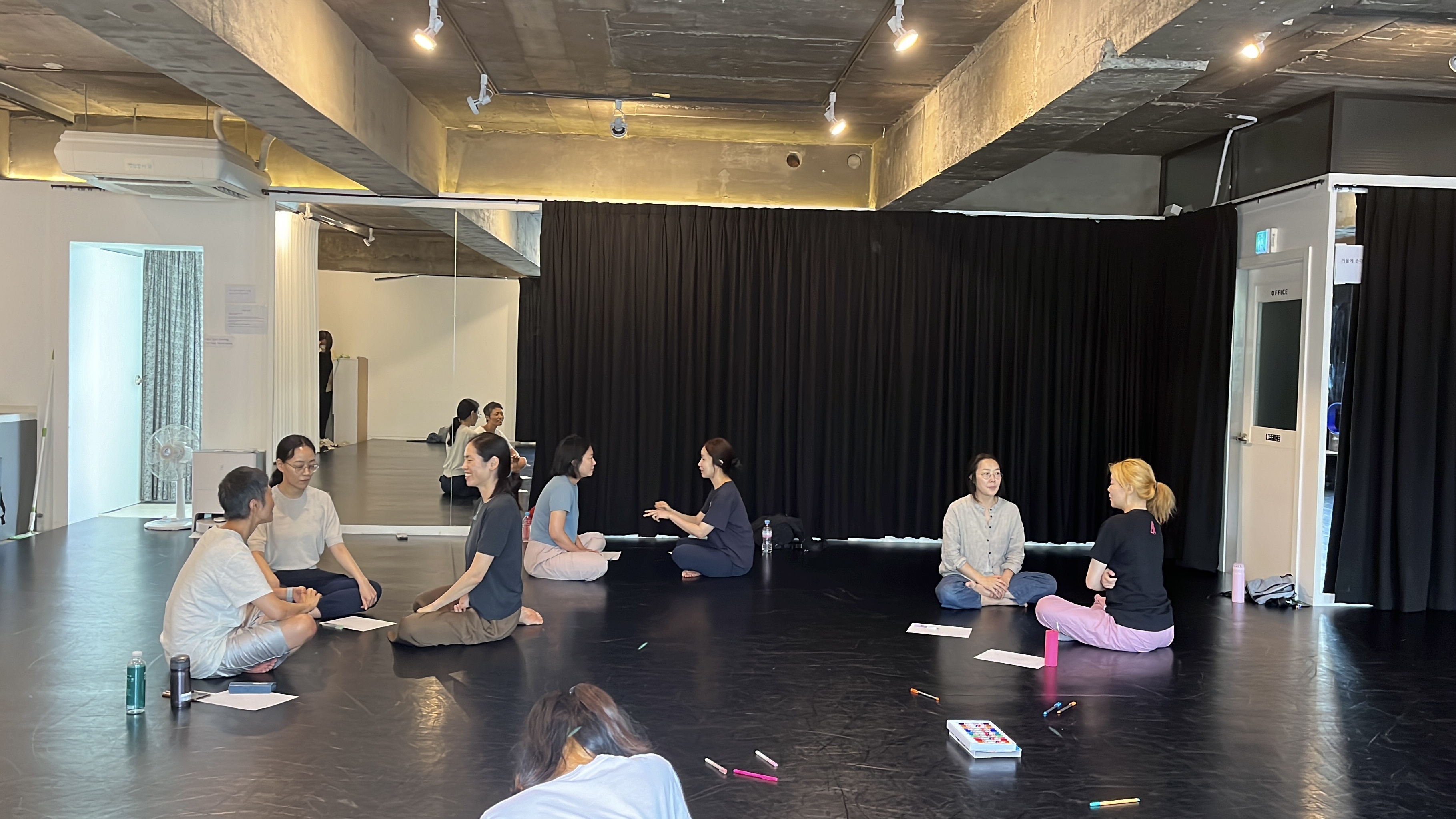
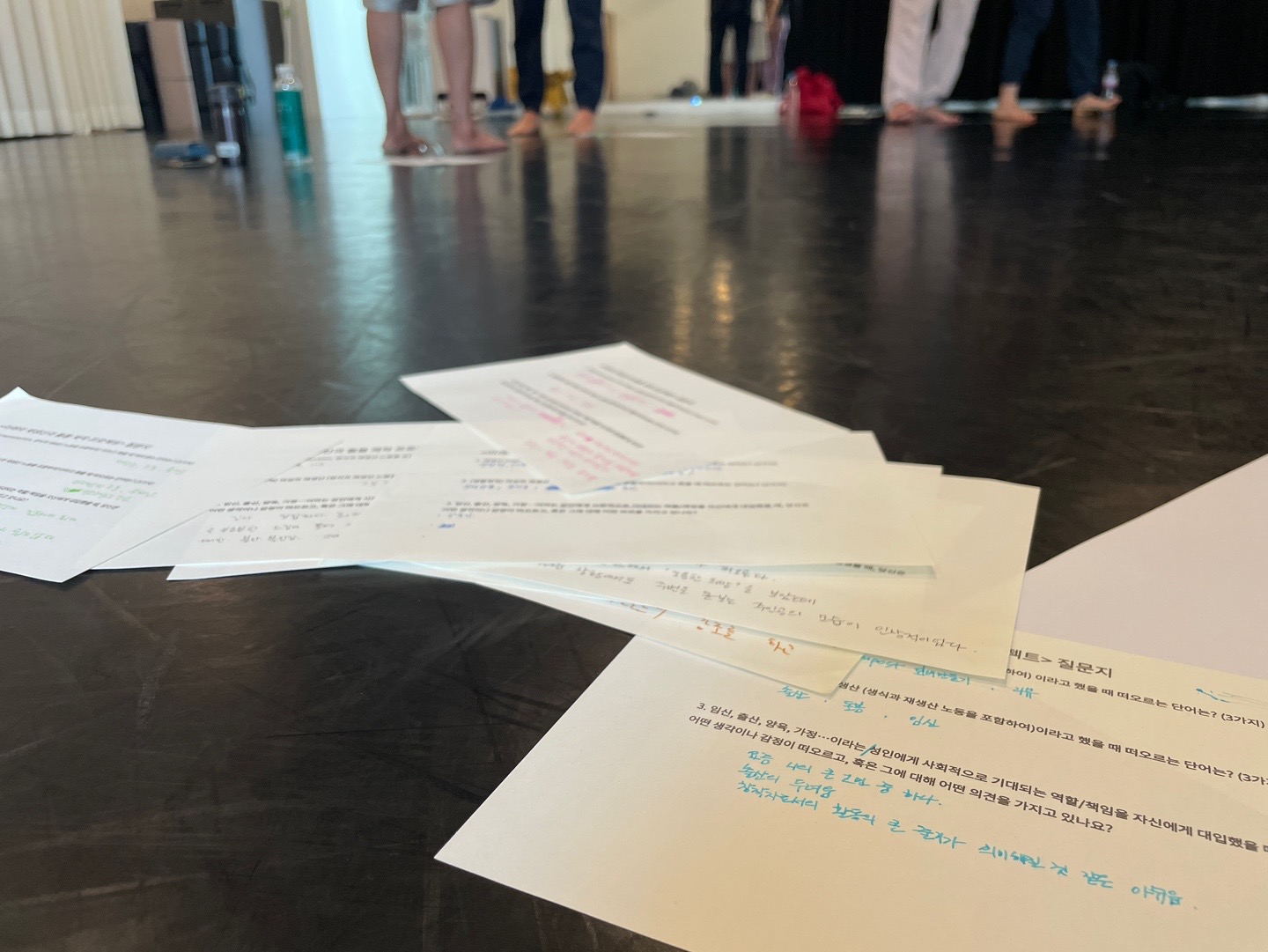
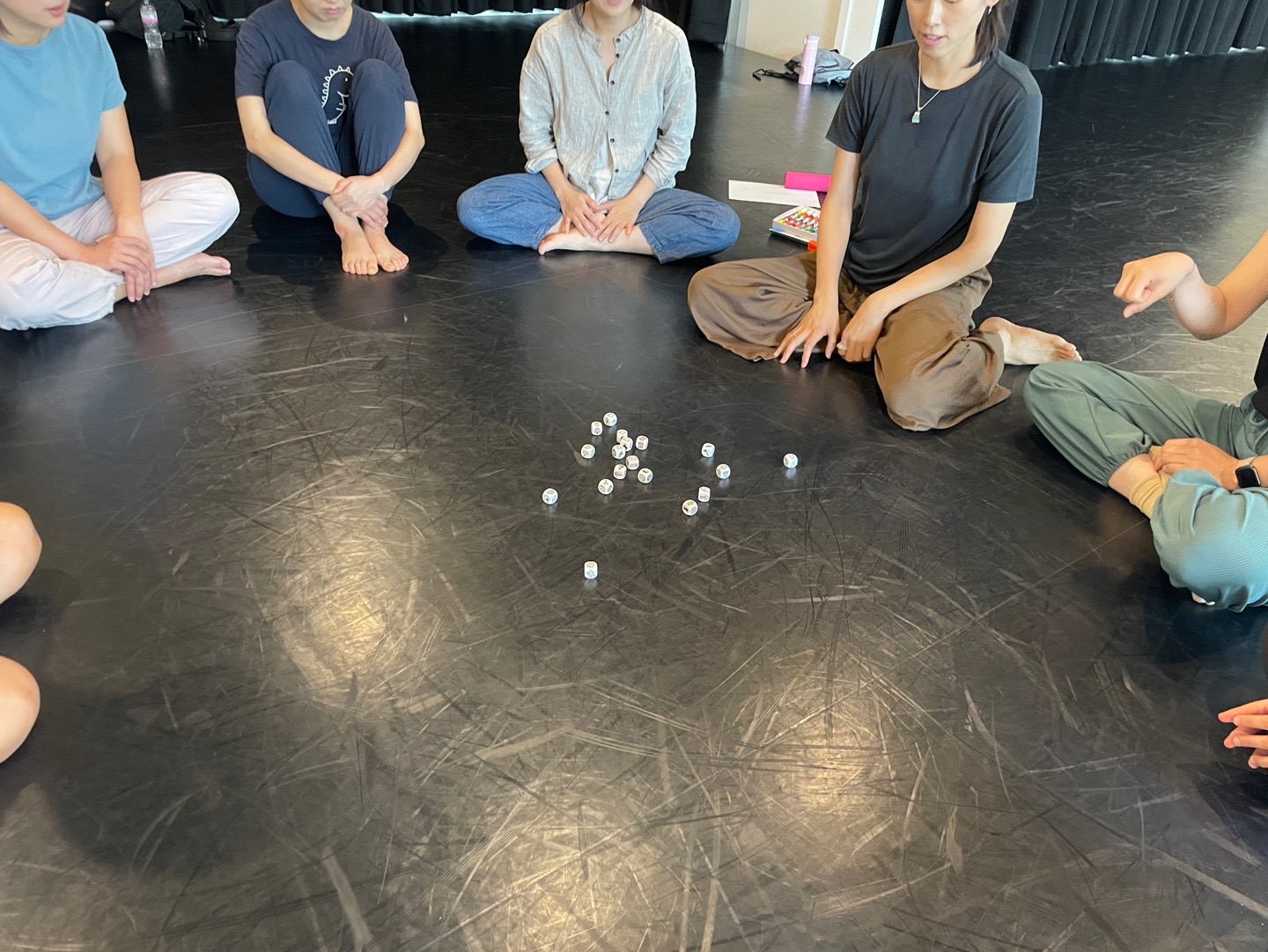
Collective Reading
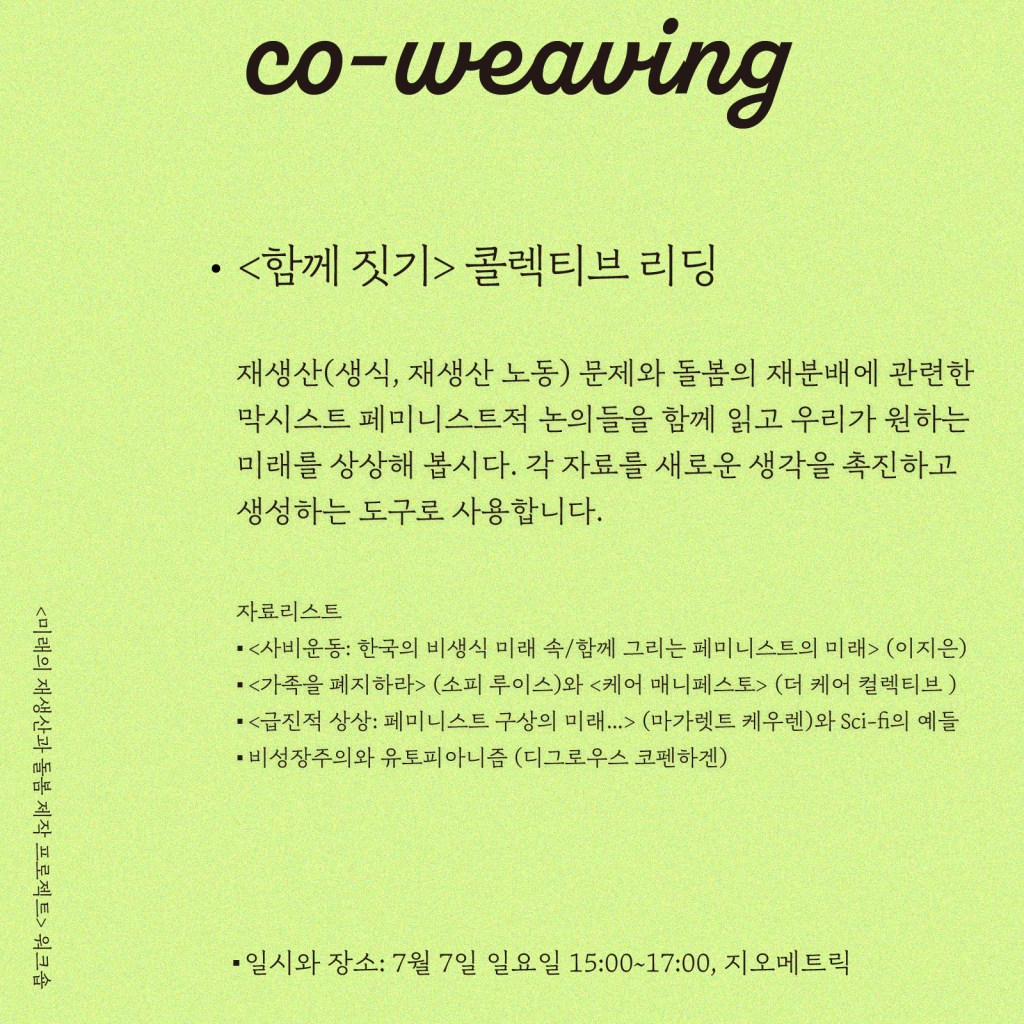
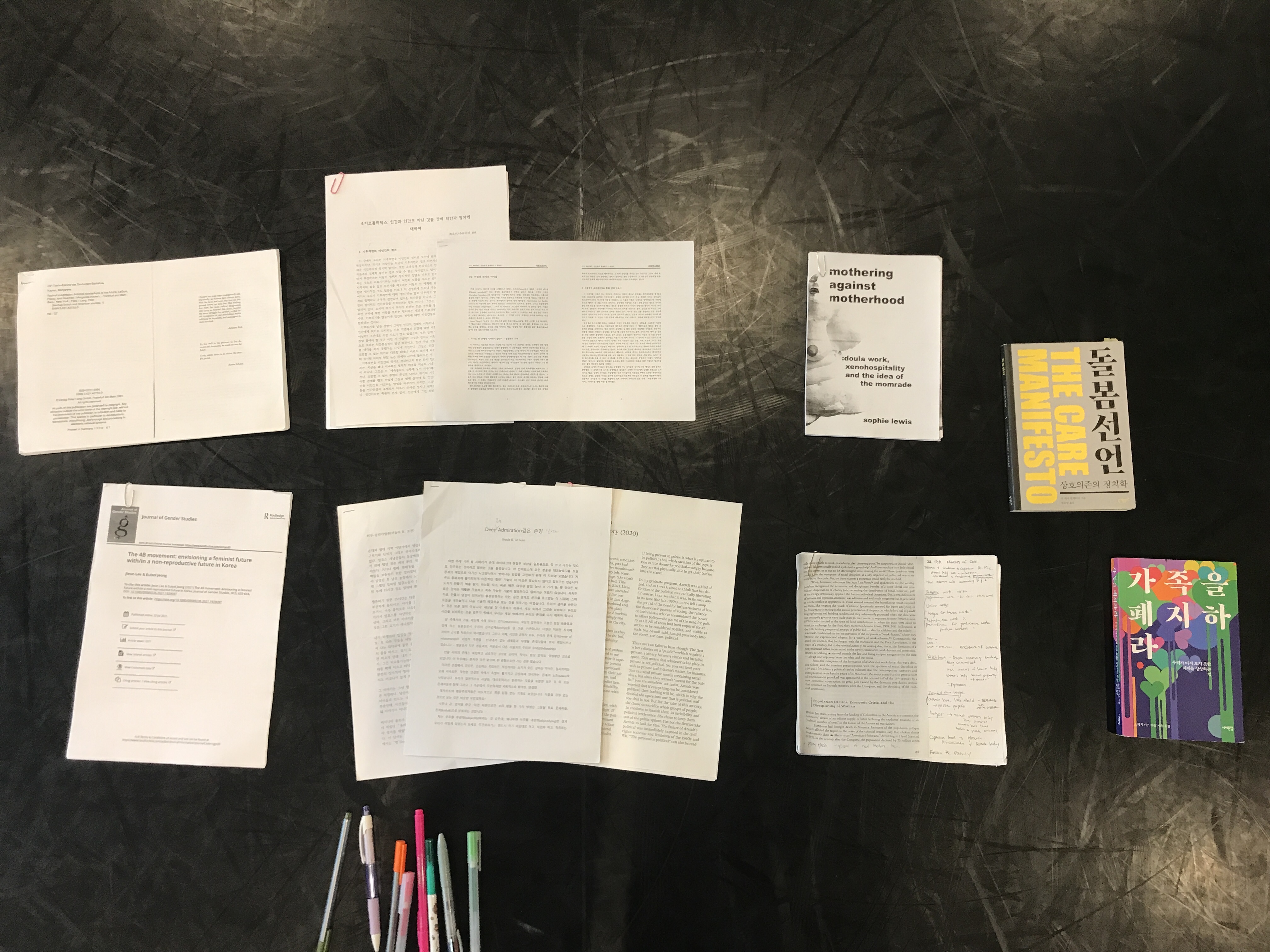
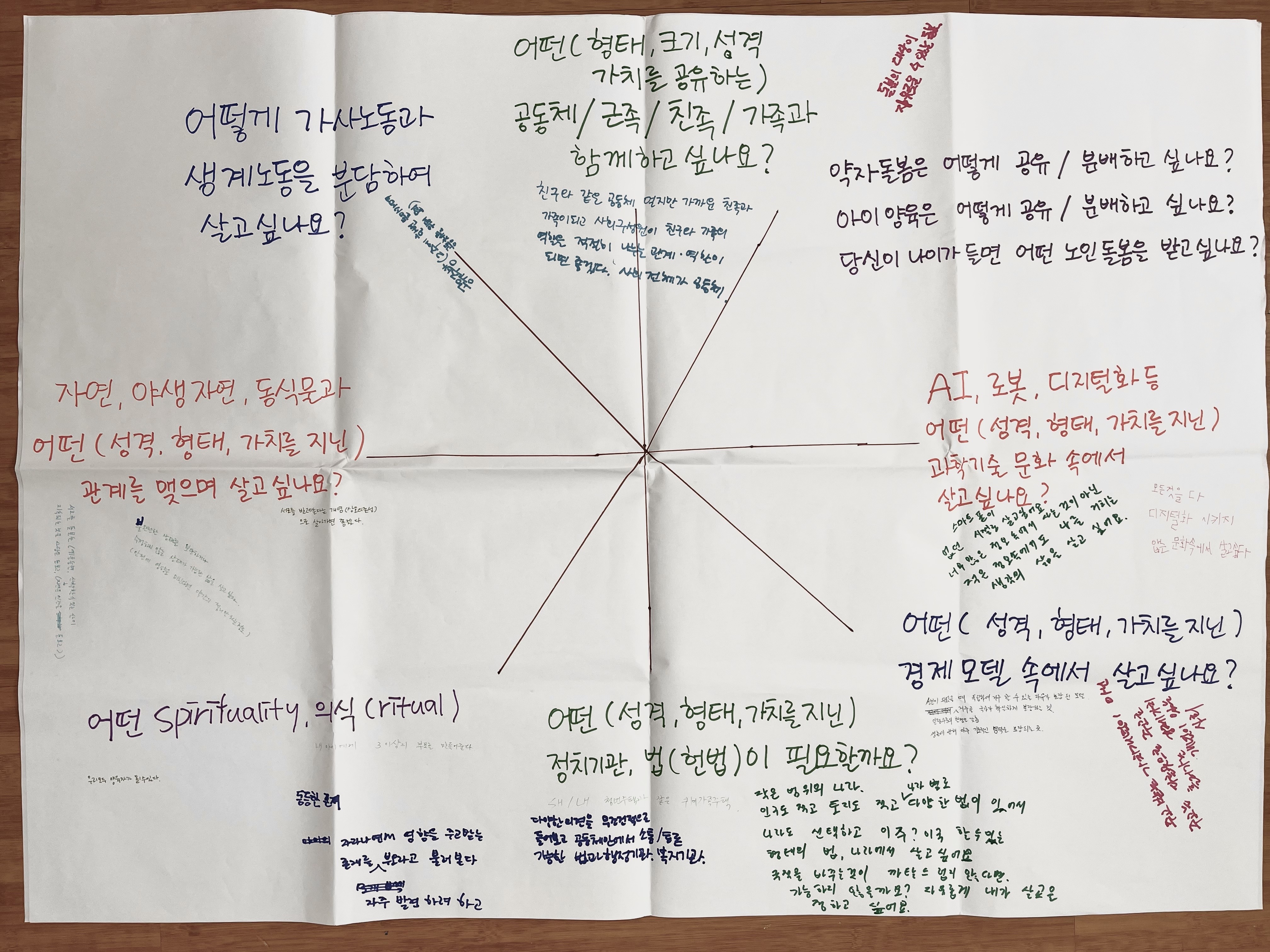
In this workshop, we read the Marxist-feminist discussions related to reproduction (reproductive labor) issues and redistribution of care. Inspired by the feminist sci-fi writers, we will try to imagine our desirable future. Reading materials will be used as a tool to stimulate and generate our new ideas.
[Reading list]
- The 4B movement: envisioning a feminist future with/in a non-reproductive future in Korea (정의솔, Lee Ji-eun)
- Abolish the Family (Sophie Lewis) and Care Manifesto (The Care Collective)
- Radical Imagination: Feminist Conceptions of the Future (Margaret Keuren) and examples of feminist writers’ Sci-fi (The Left Hand of Darkness, The Wanderground, Woman on the Edge of Time, Camil Story)
- Degrowth and Nomadic Utopianism (Degrowth Copenhagen)
Performance space design workshop for loose boundaries
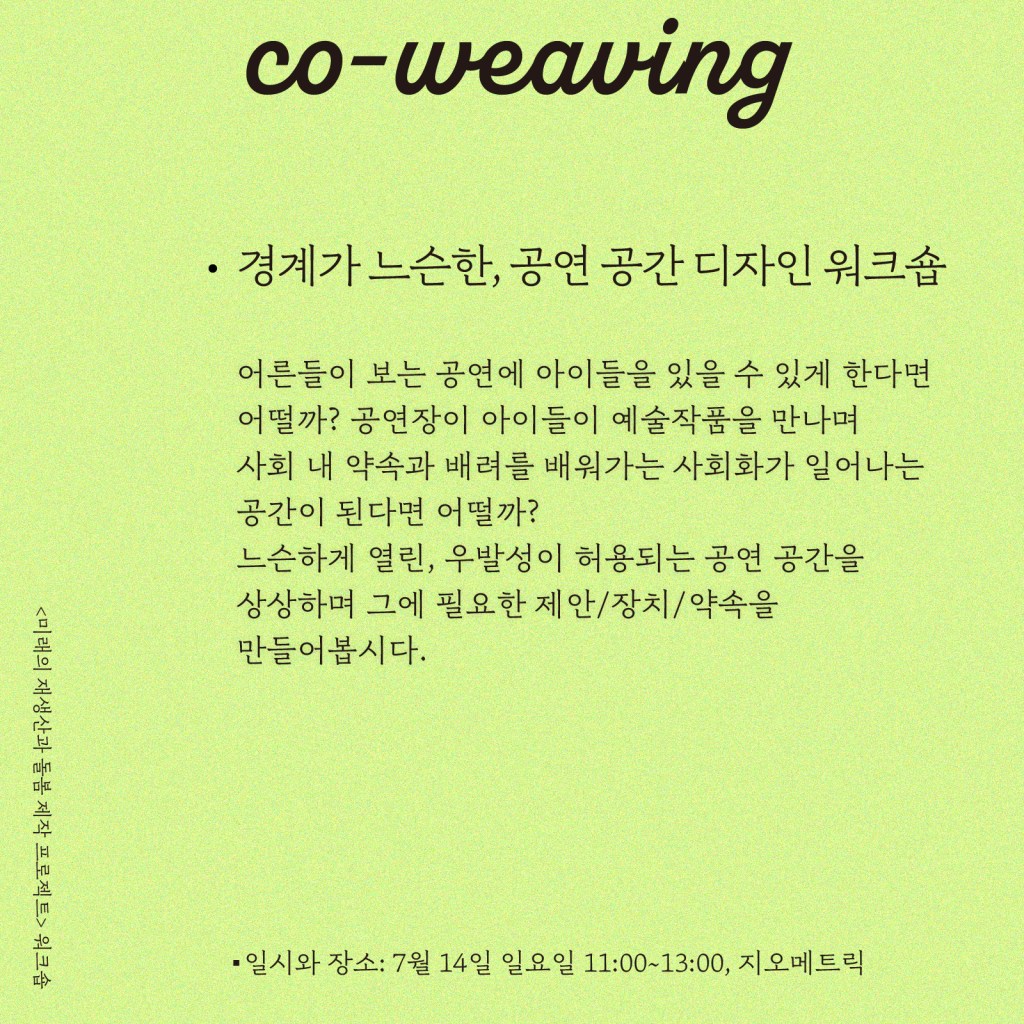
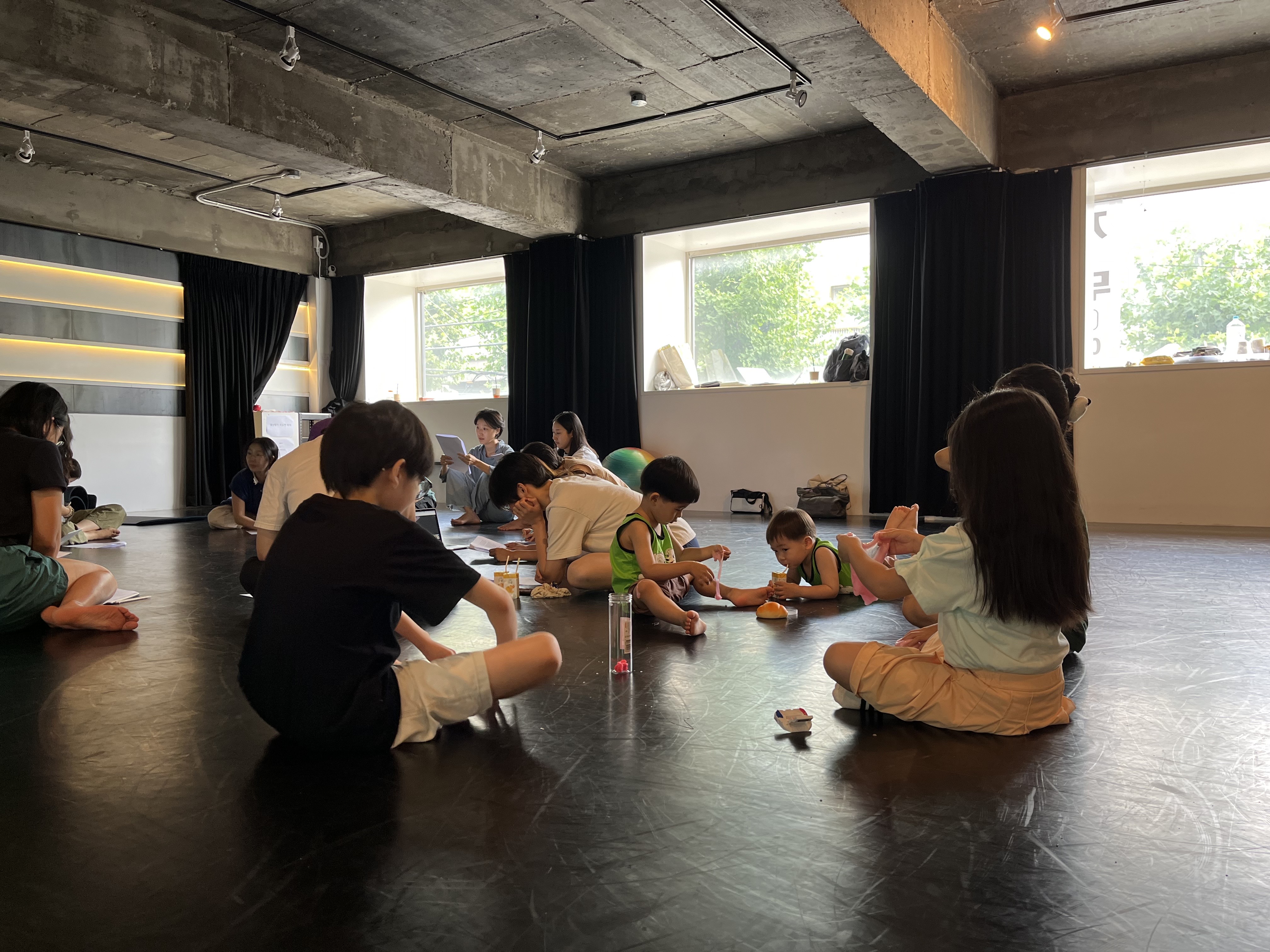
What if we could allow children to be present at a performance targeted for adults? What if the performance space becomes a space for socialization where children not only encounter art pieces but also learn about social promises and consideration within our society? In this workshop, we discuss and imagine a loosely open, contingency-allowed performance space and create the necessary proposals/devices/promises for that.


<Co-Weaving> at art and cultural sector (2024)
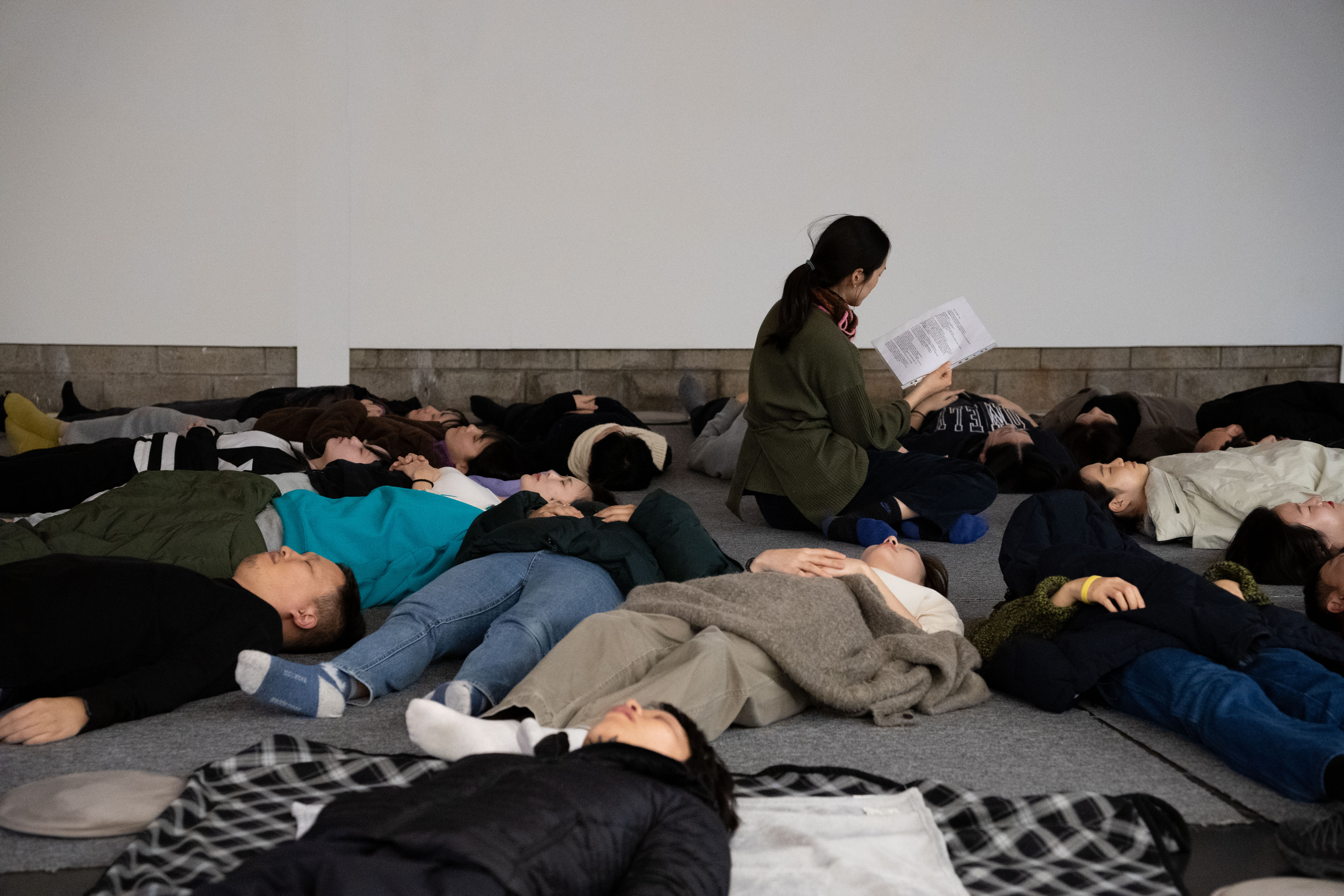
Knowledge regarded from the dominant Western horizon is based on separation, deduction, and atomisation. Something that lacks complexity and is void of relations is easy to understand. It’s knowledge as a form of zooming in until there’s only one answer, which, however, tends to forget that all living beings are interdependent on each other and that relations often are more important than the (individual) entities connected.
In order to heal the wounds from anthropogenic trauma and regenerate, it’s crucial to research, probe, and practice other forms of knowledge gathering and production, think through forms of entanglement, resilience, togetherness, cohabitation, and forms of sharing that aren’t possible to corporatize.
This workshop guides the participants through practices that address knowledge formation through different perspectives. Listening, storytelling, collective reading, and writing methods, next to physical practices, invite the group in the process of creating self-organized knowledge and conception in relation to rethinking reproductive labor, care practice, and mothering.
The workshop welcomes individuals with an interest in unlearning conventions and is open to practicing alternative ways of gathering, spending time together, and engaging with different ecologies of mental and relational qualities.
Concept: Suh Yeongran
Collaborator: Wie Sunghee, Jung Eonjin, Jung Leesu, Lee Suna, Lee Seolae
Co-produced by Ob/scene Festival, Idea Museum (Leeum)
This program is presented with the support of 2024 ARKO International Arts Network.
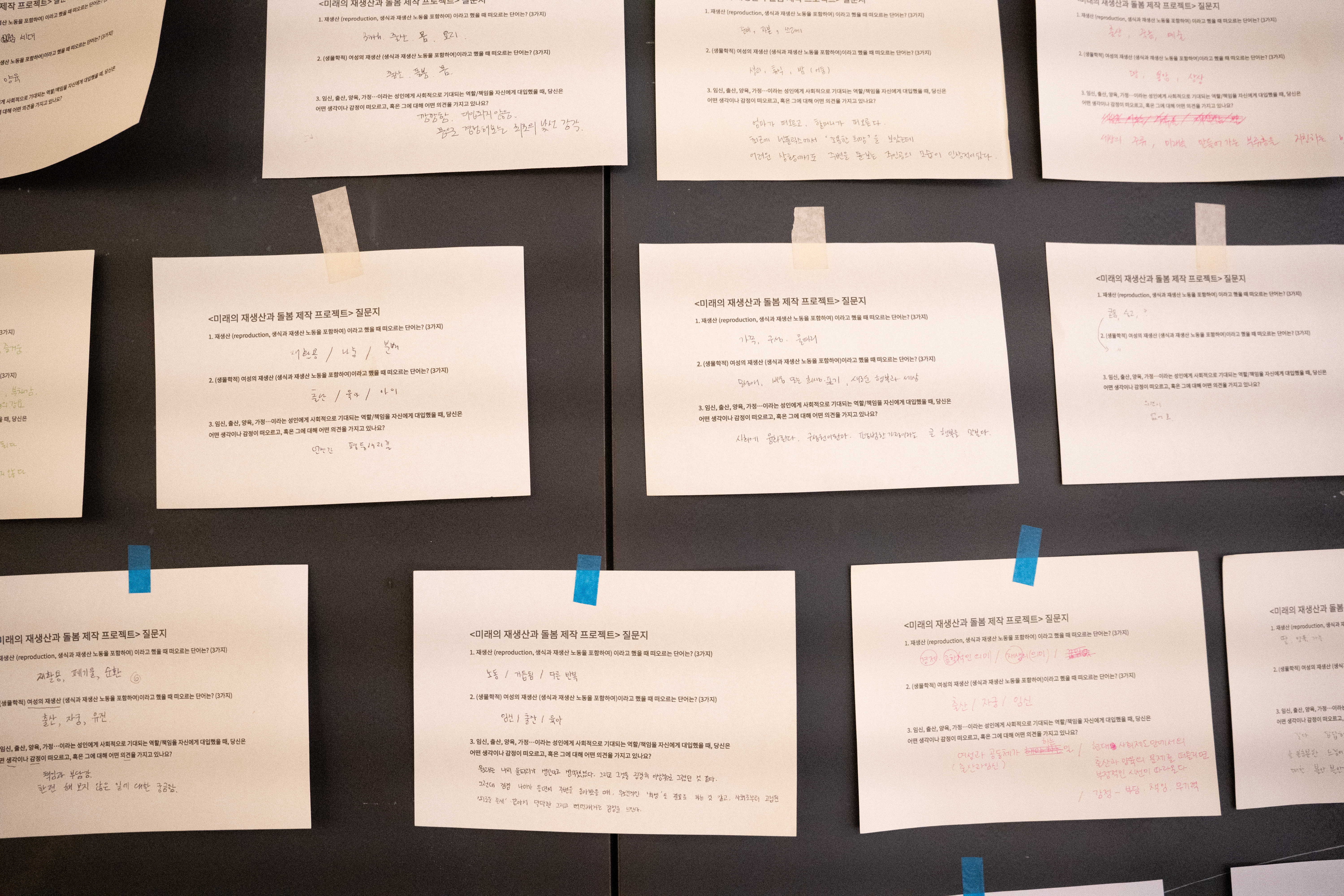
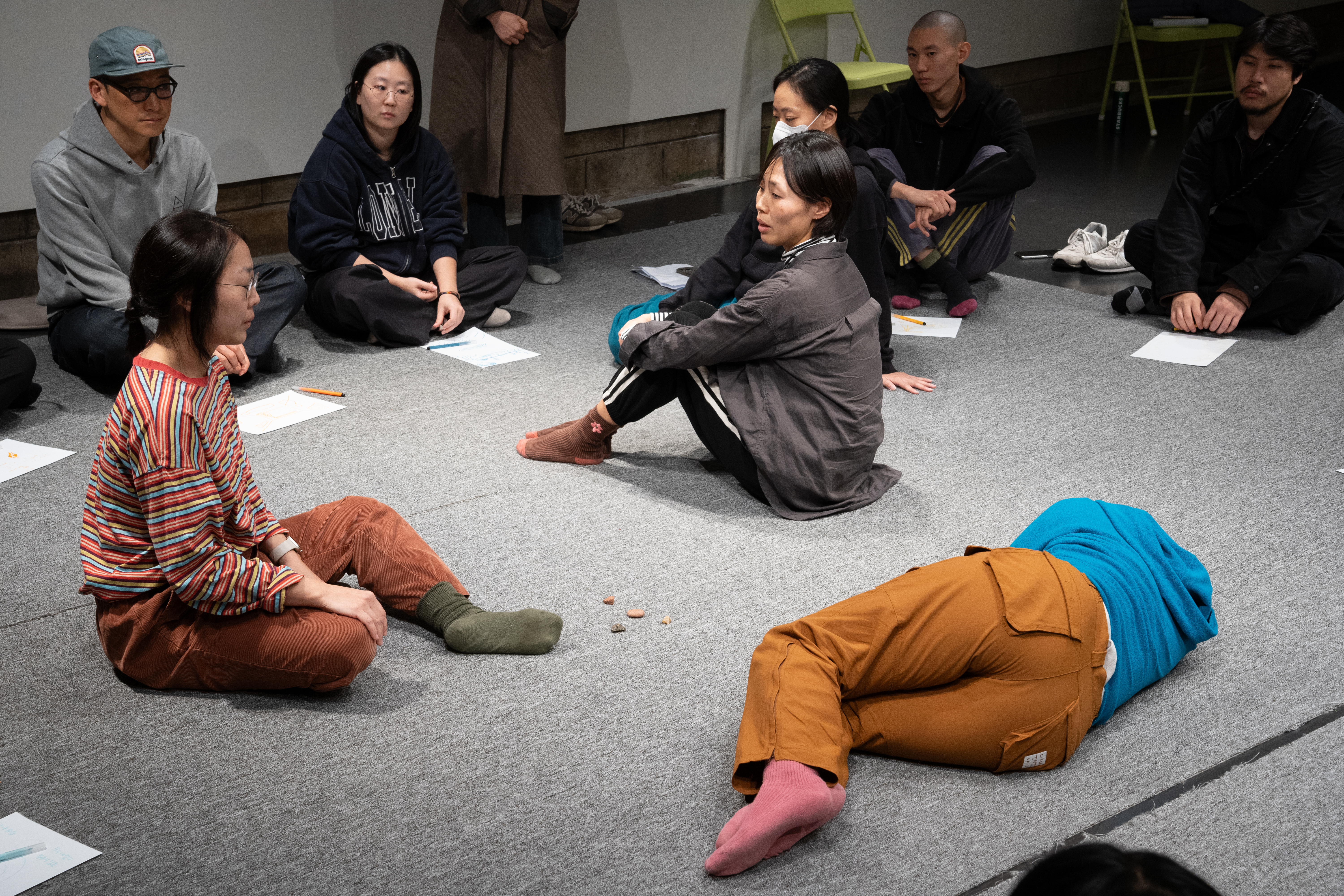

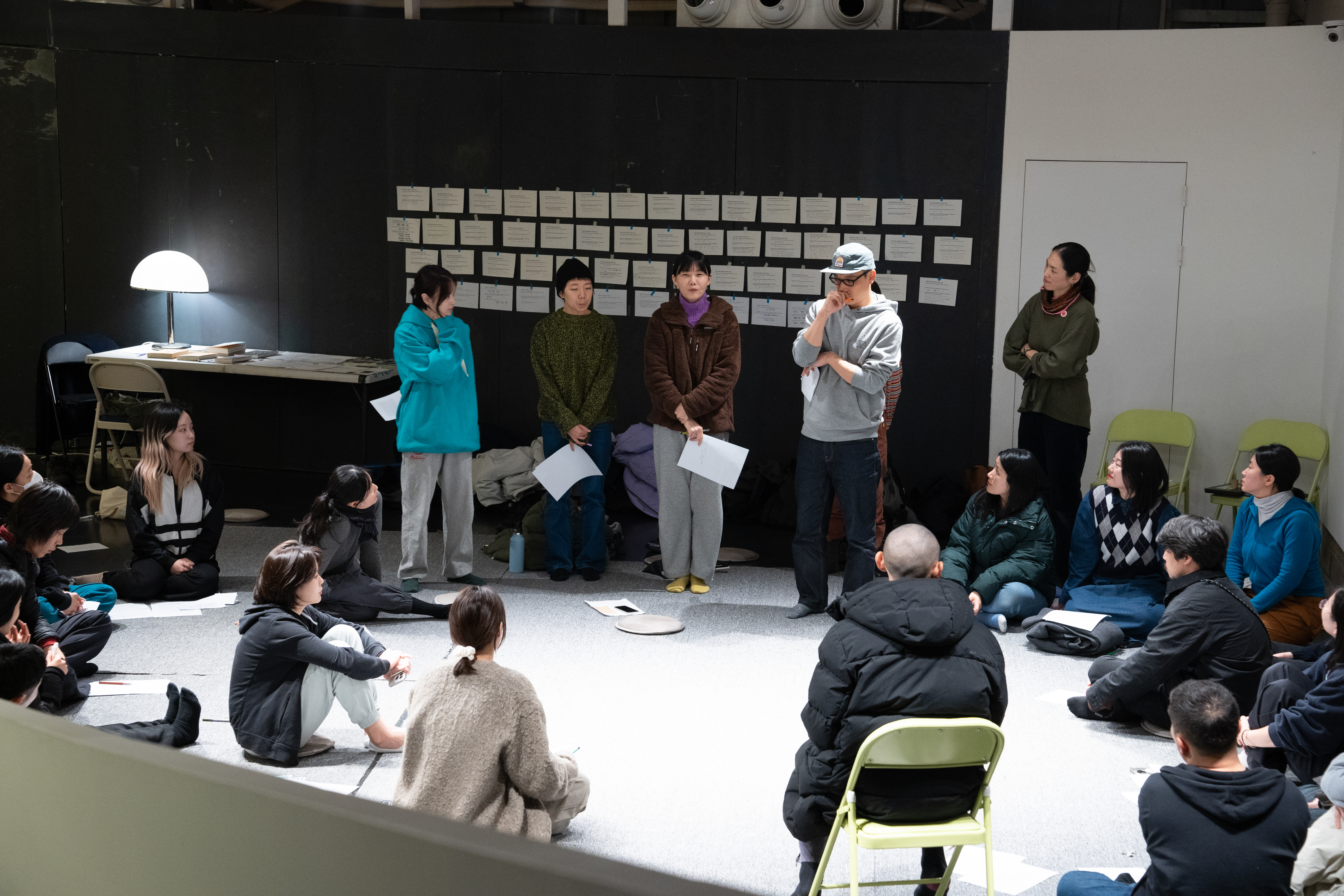
Co-Weaving (Leeum Museum of Art) (2024)
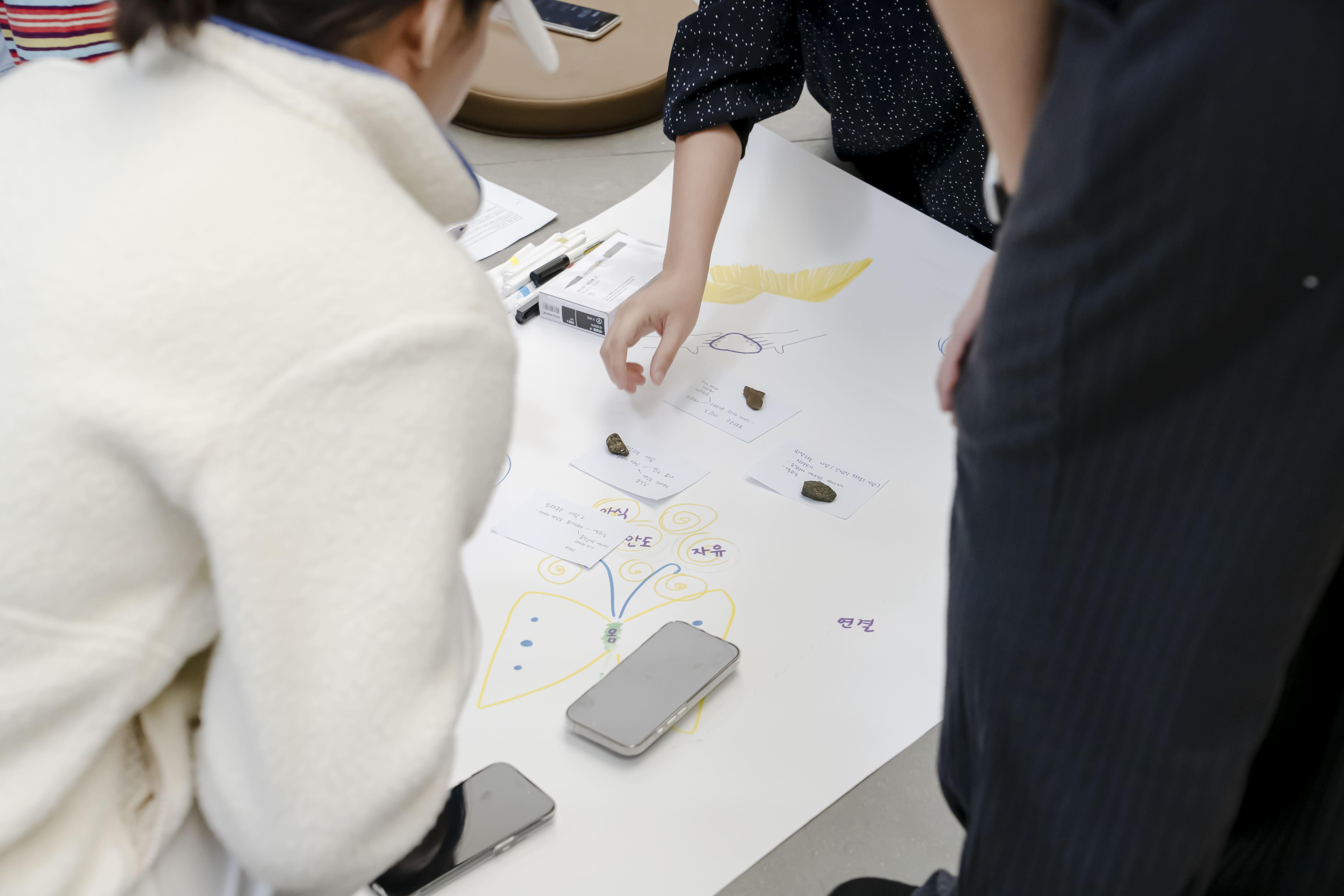
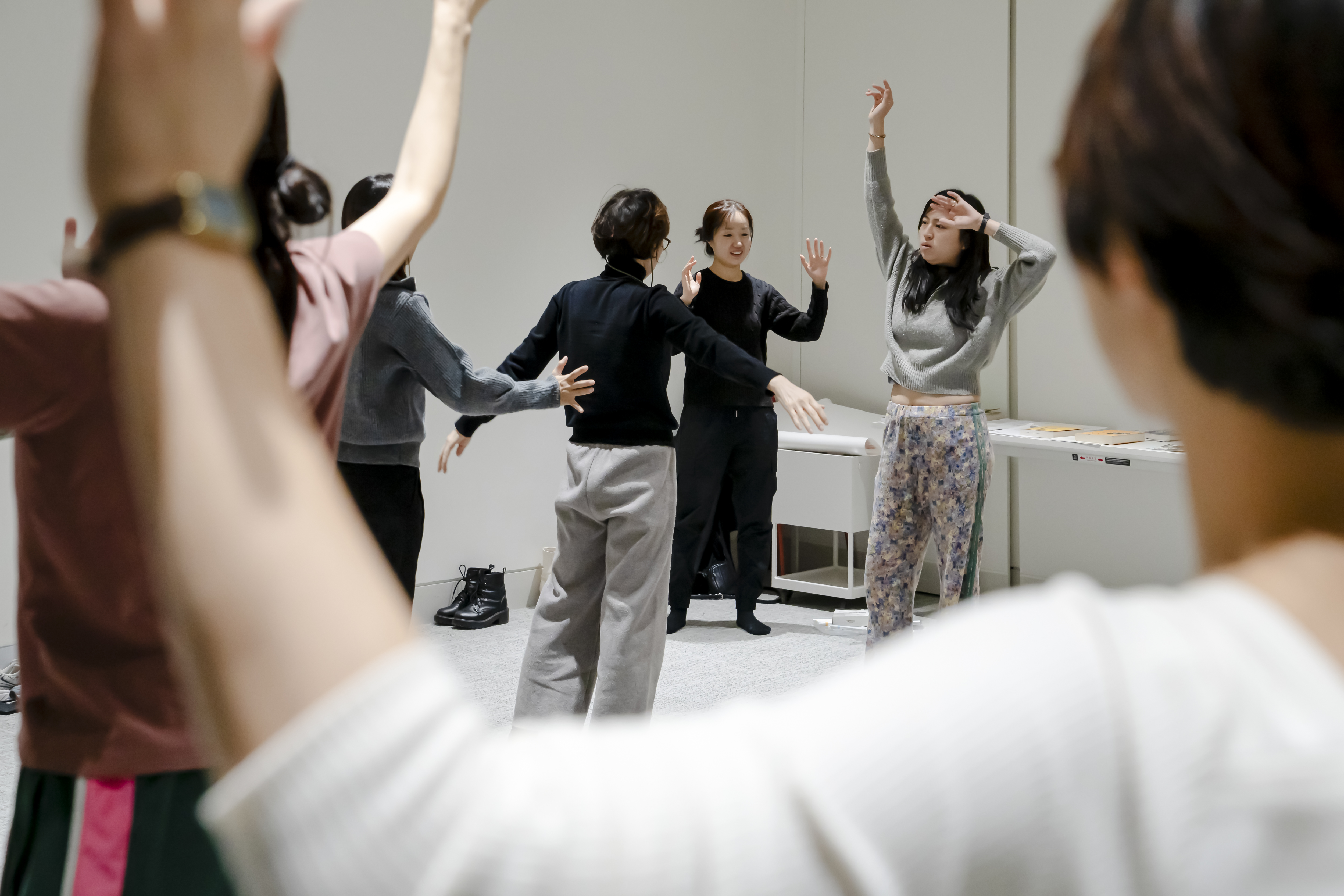
‹Co-Weaving› is a corporeal and poetic landscape of practices contemplating present, individual and collective, realities, fantasies, dreams and utopias of reproductive labor and care. It weaves images emanating from each individual into shared fabrics in order to experiment with and create visions for our desirable futures together. Introducing the practice’s different procedures, participants in the workshop will experience several choreographic methods and games: meditation, imitating, and transforming words and movements to branch out from individual images.
It’s crucial to reimagine reproductive labor considering fundamental changes in regard to labor, technology, intergenerational sharing, gender, class, and many other aspects of living together. How can we create safe spaces that are simultaneously creative, adventurous, and politically active? How do we share worries and anxieties, desire and intimacy, visions, and harbor political change as caregivers and fellow human beings? Reimagining reproductive labor is also a fertile ground to practice alternative forms of ecology; mental, relational, and environmental, beyond extractivist industrialism and the destruction of the earth.
We welcome participation interested in care redistribution, future speculation, and speaking and moving, regardless of experience.
Concept: Suh Yeongran
Collaborator: Wie Sunghee, Jung Eonjin, Jung Leesu, Lee Suna, Lee Seolae
Co-produced by Ob/scene Festival, Idea Museum (Leeum)
This program is presented with the support of 2024 ARKO International Arts Network.
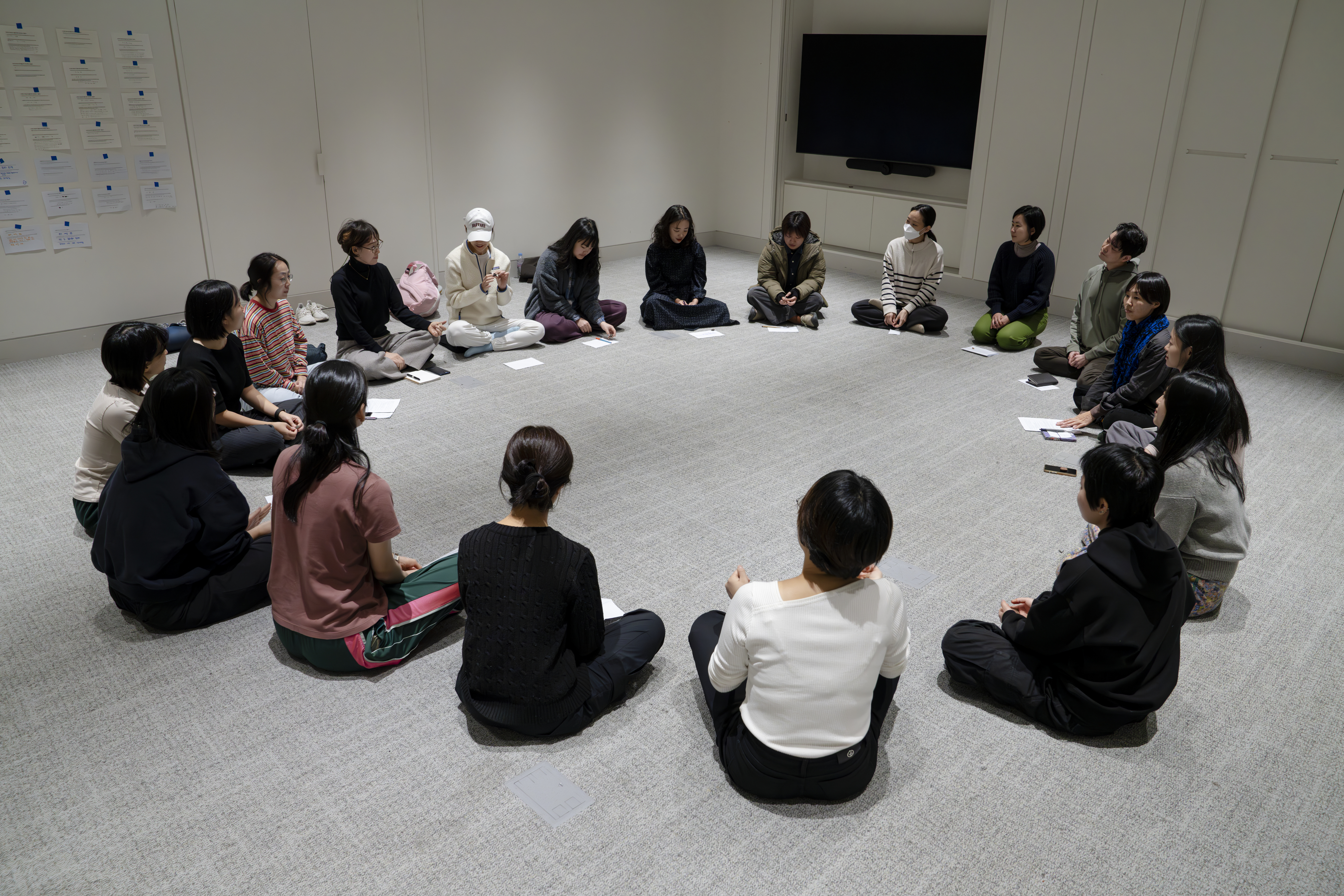
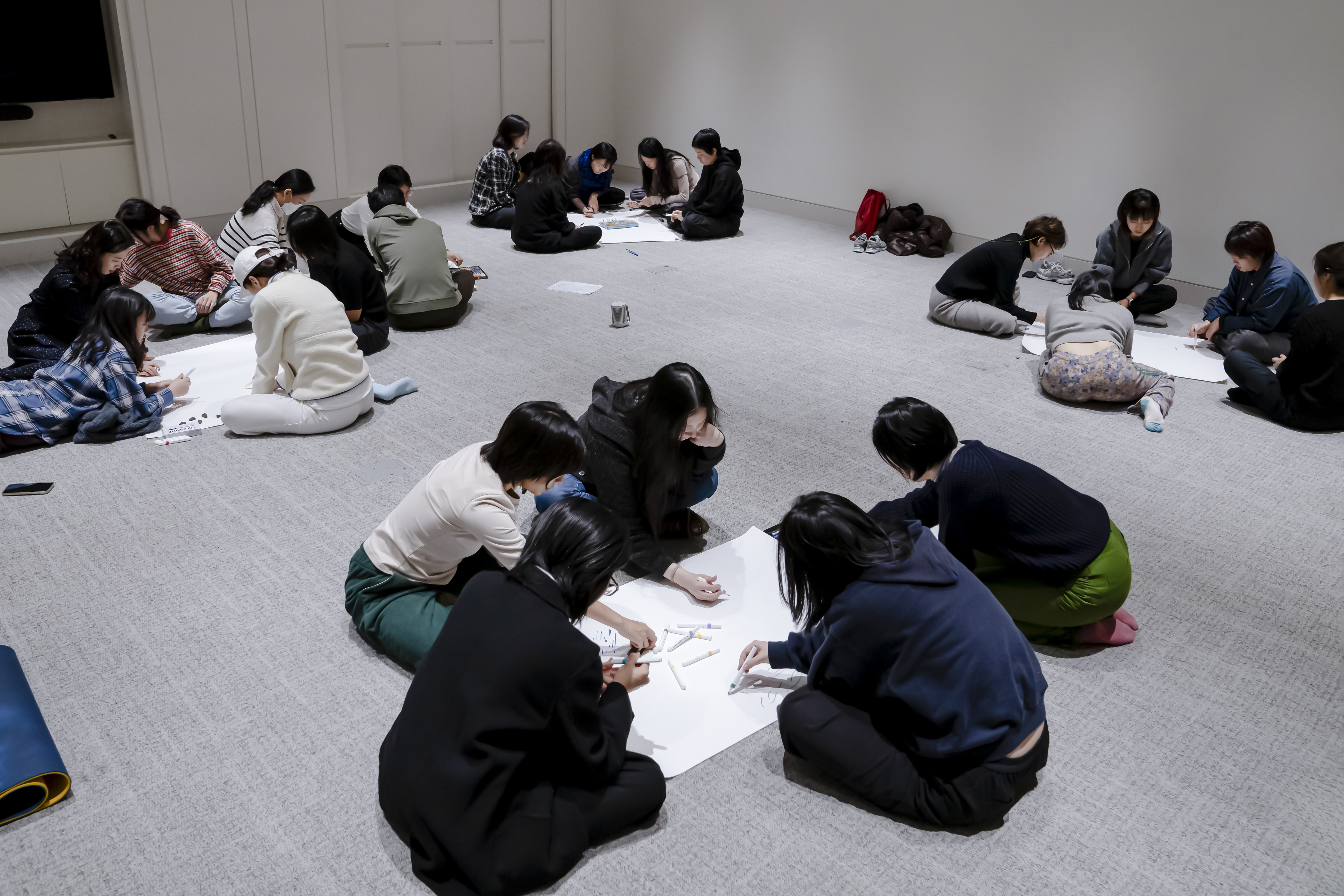

Becoming Ivy + Co-Weaving (Islandsbrygge Kulturhuset, 2025)
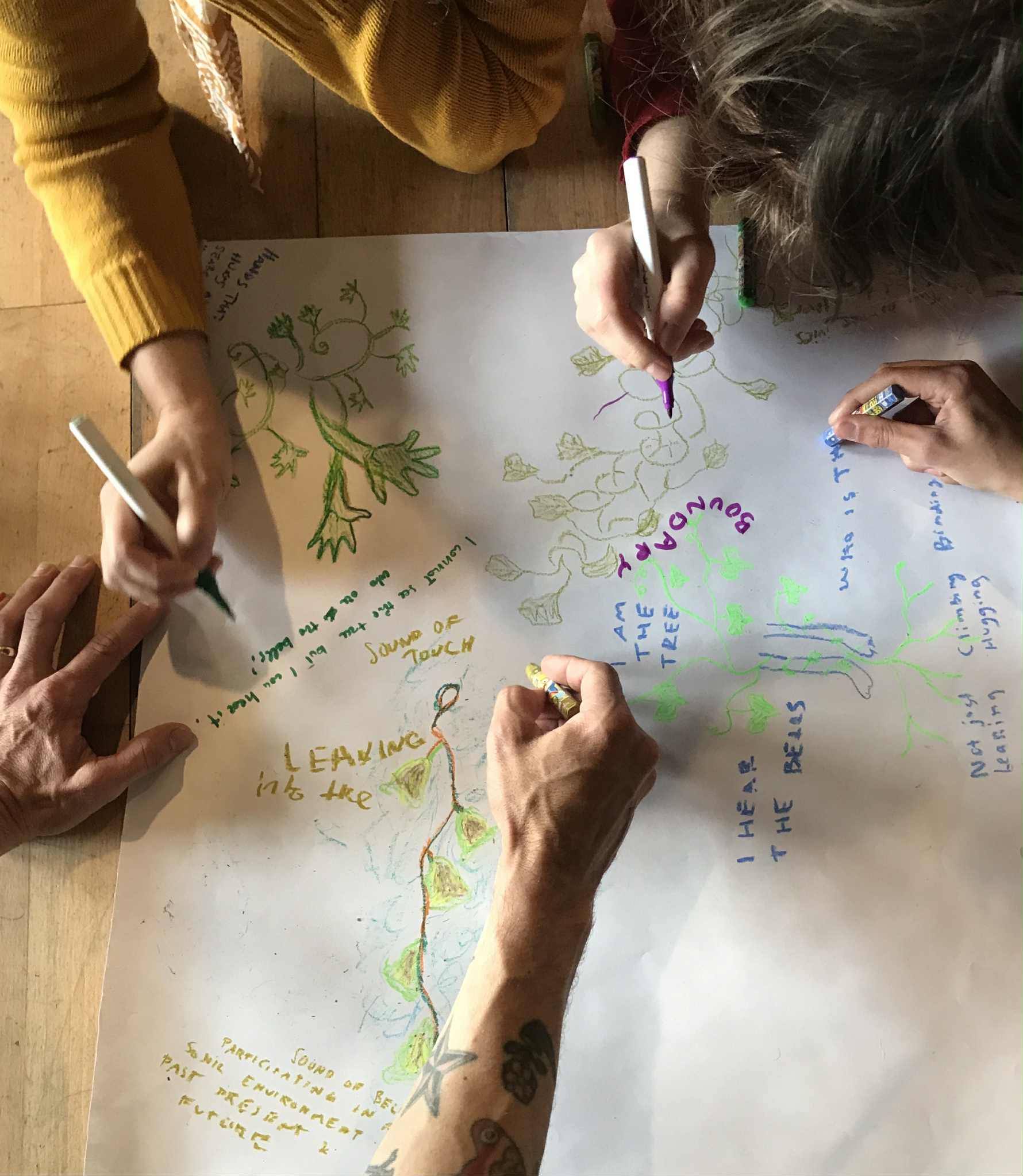
Have you ever been greeted by evergreen Ivy on the streets? They are everywhere. Some people may think Ivy is a parasitic plant. However, they are not. Ivy’s vitality is leaning on other species; at the same time, it gives a lot, too. Ivy’s flexibility and adaptability, connecting, following, and imitating abilities, receive help from the other species, and give back to the different species. Indeed, Ivy teaches us the interdependence of care, leaning/receiving, and giving.
We reflect Ivy’s feature, interdependence, within us. We reach, follow, imitate, and connect each other’s different images recalled by Ivy and weave them into a shared landscape to create visions for our prosperity by playing with a choreographic score: ‘storytelling meditation’, ‘imitating and transforming words and movements’, ‘Ivy group dance’, and ‘group echoing’.
Thanks to the participants who shared their Ivy images, stories, and dance. Weaving each other’s connections with Ivy brought out even more intimate and abundant knowledge about Ivy, creating plural understandings of the entanglement in ecosystems.
After this workshop, I am dreaming of sharing the Co-weaving workshop as a tool to listen and support each other’s needs, desires to weave our collective imageries about care, communities, and the pluriversality of our future.
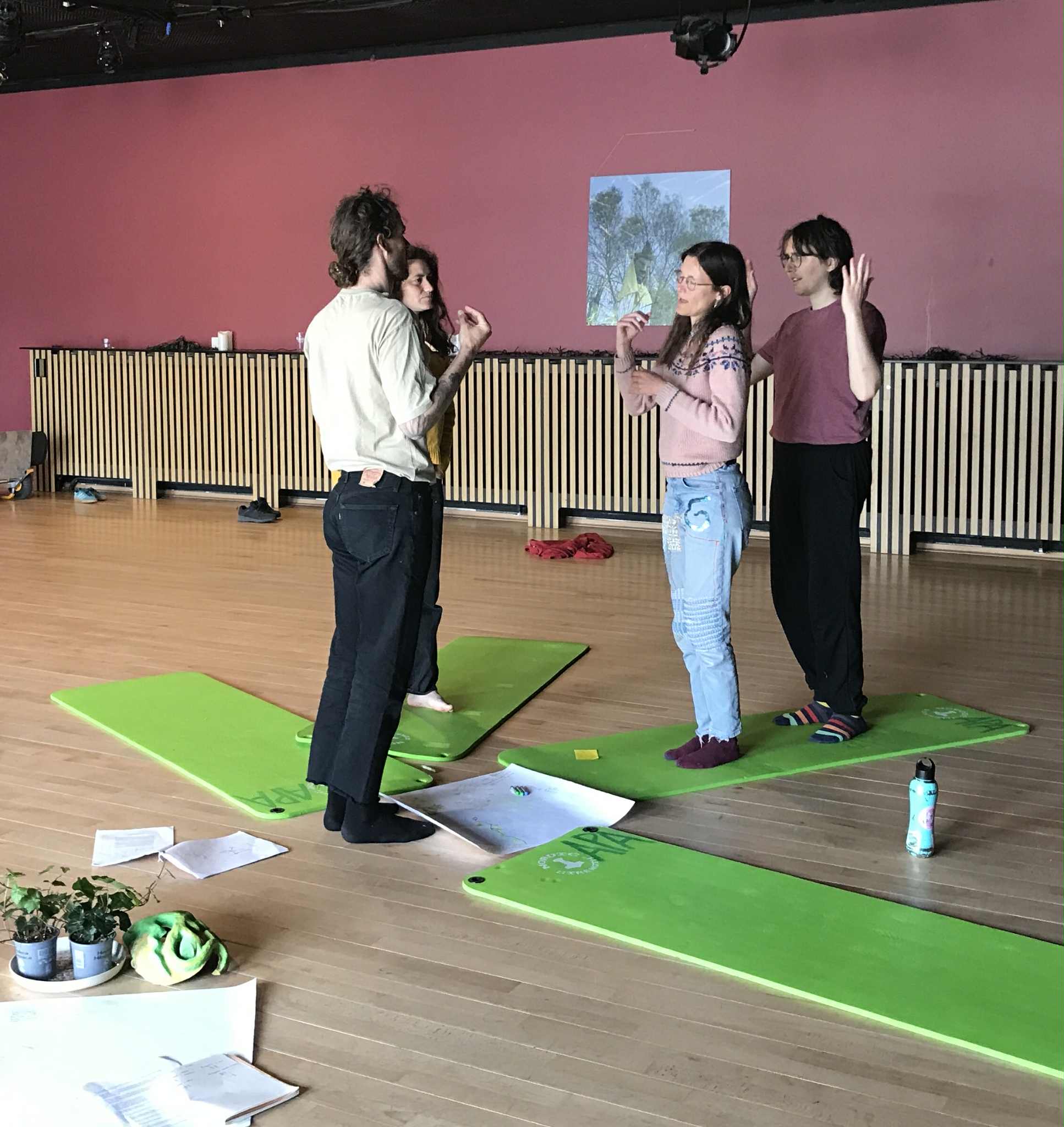
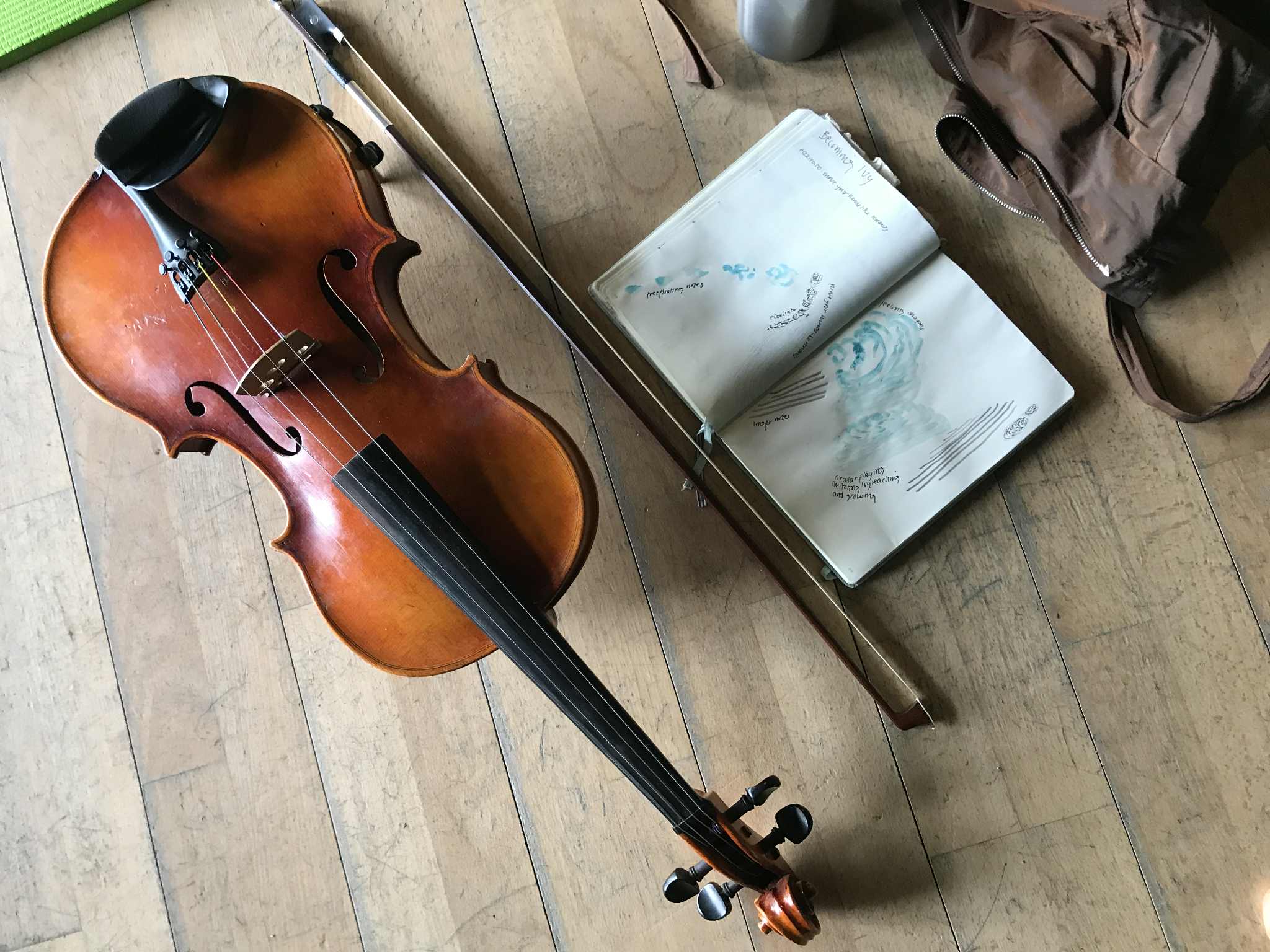
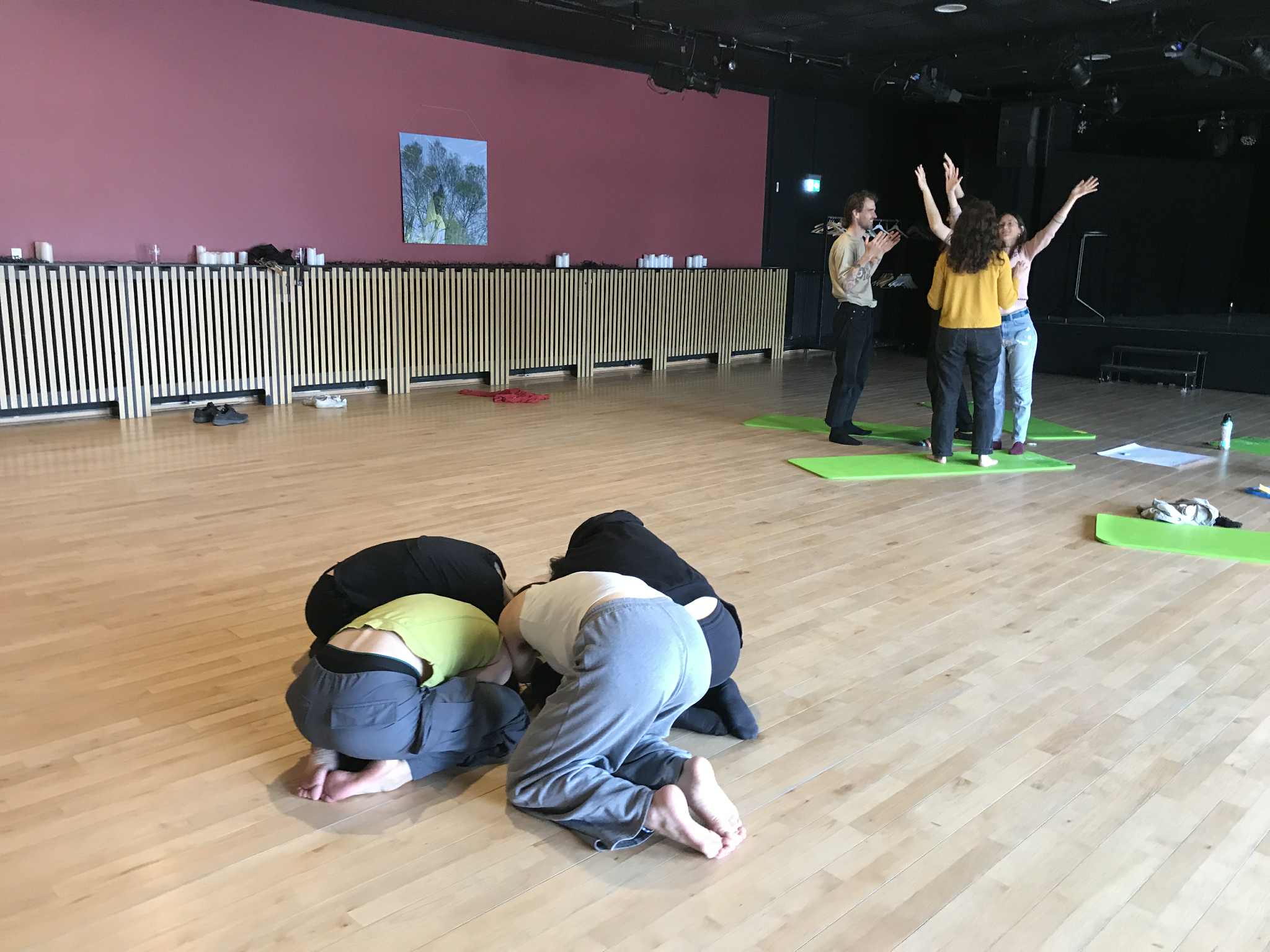
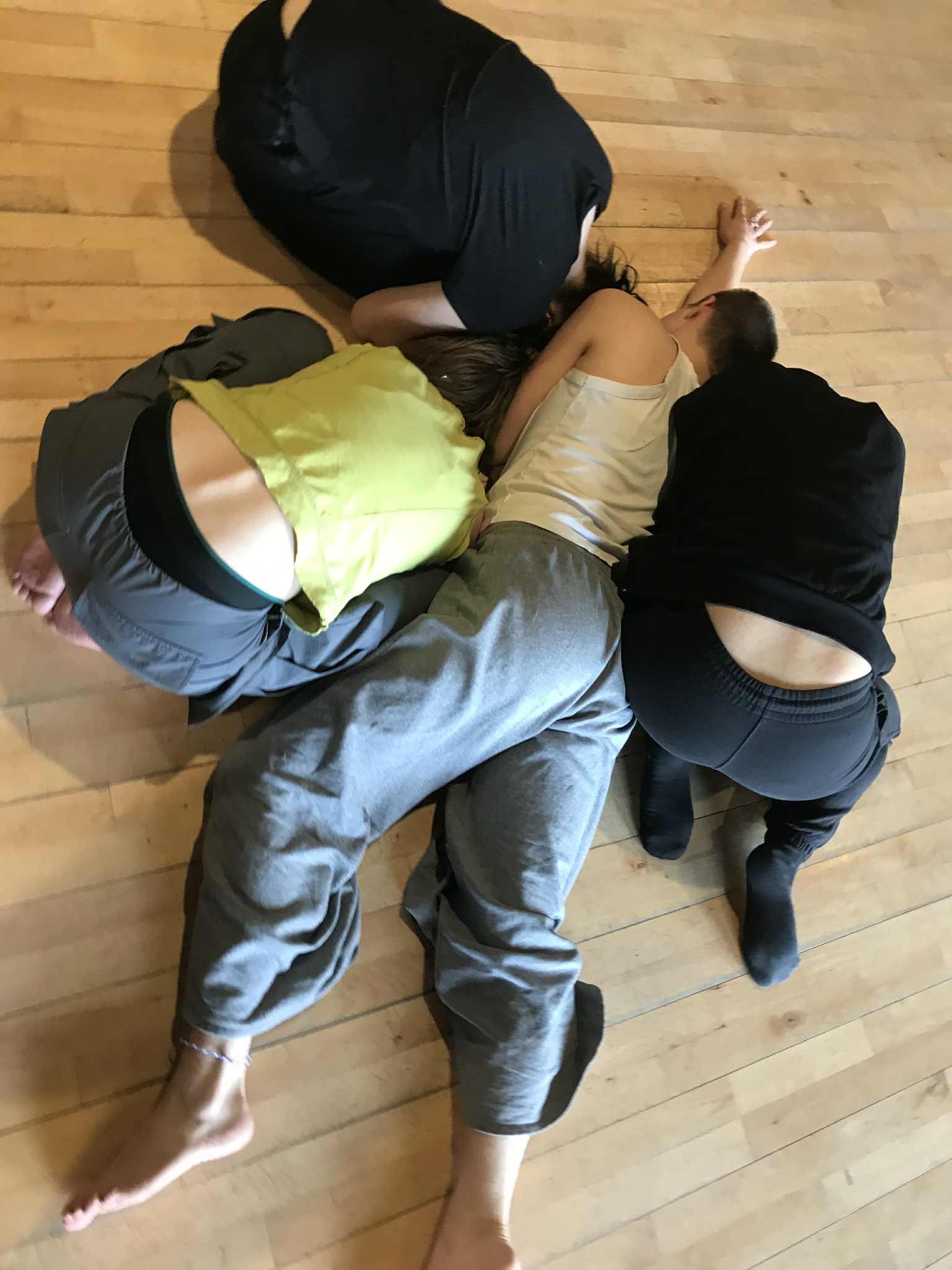

4th Version: Co-Weaving Future Workshop in Berlin (Oyoun, 2026)
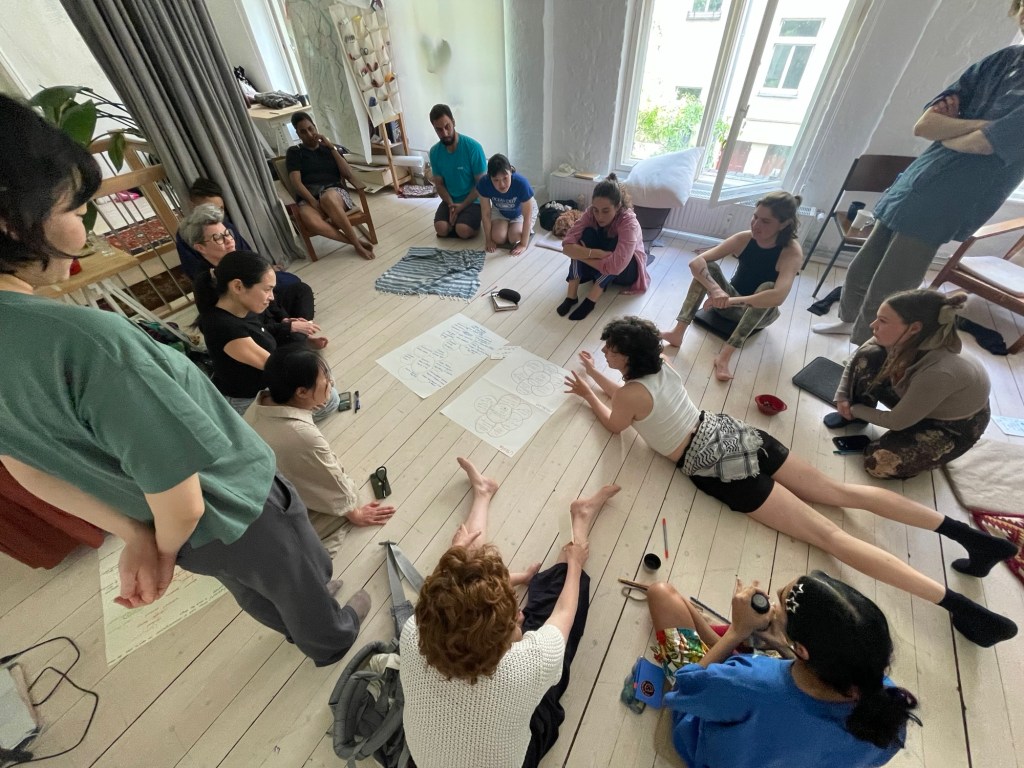
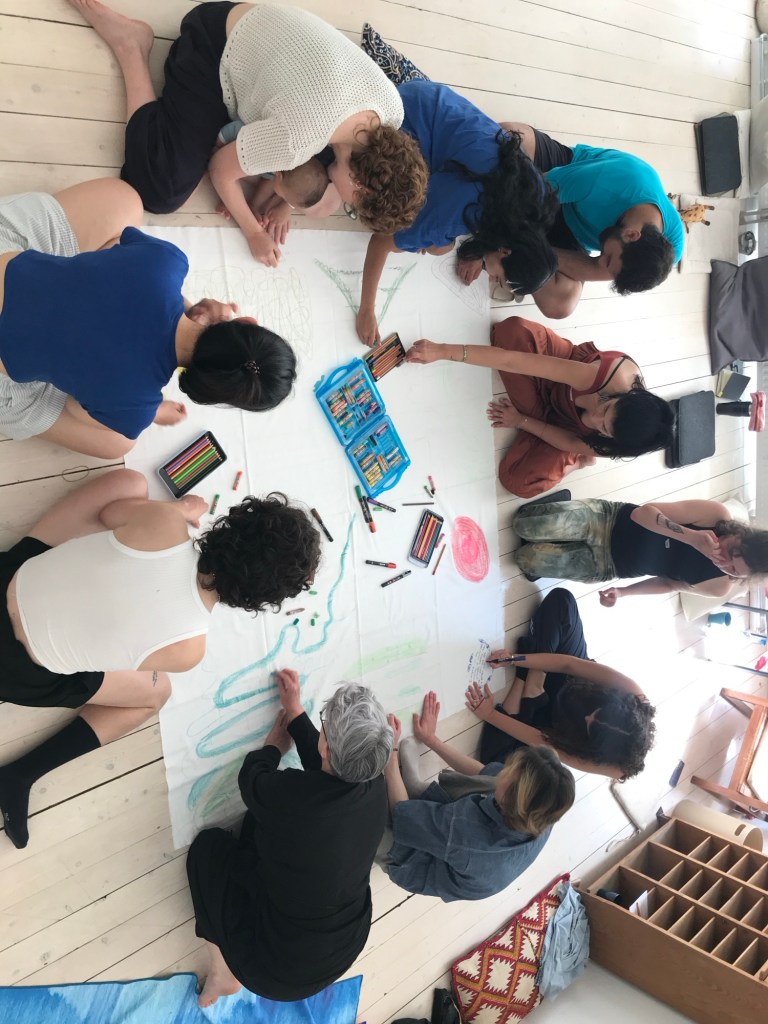
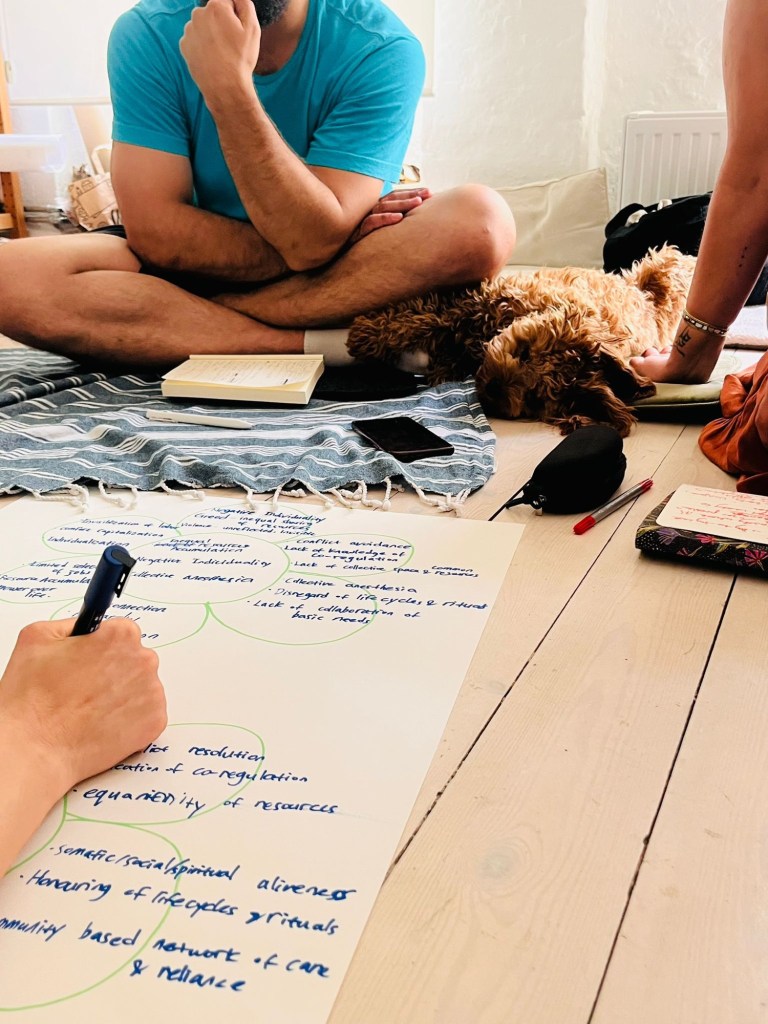
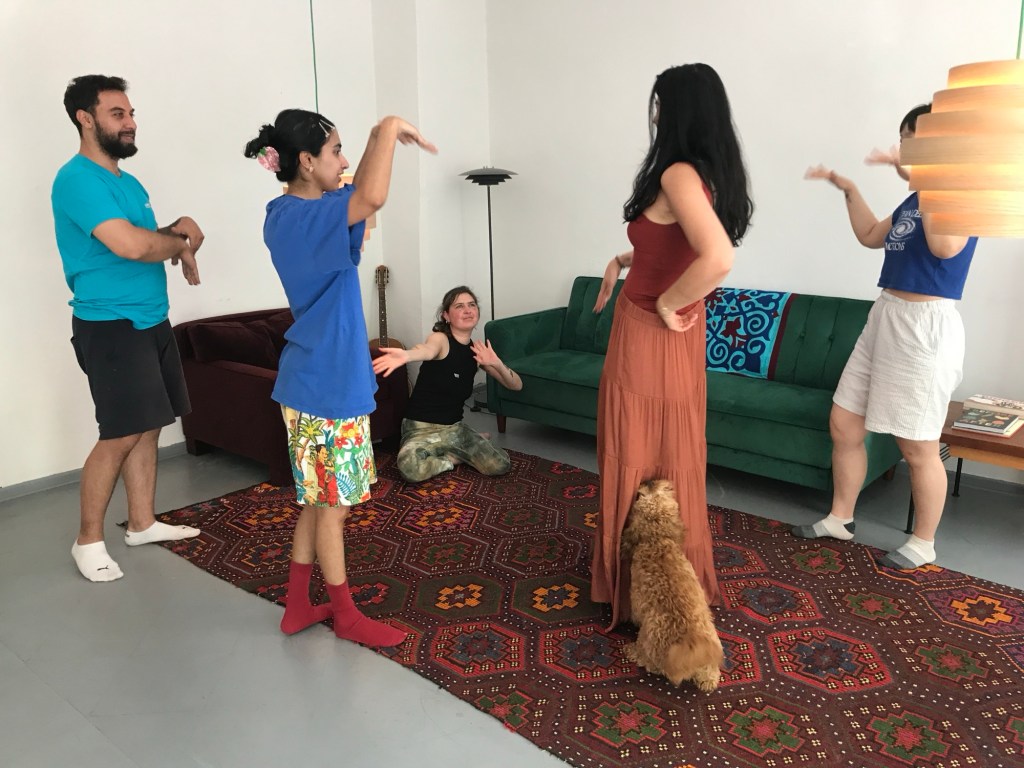
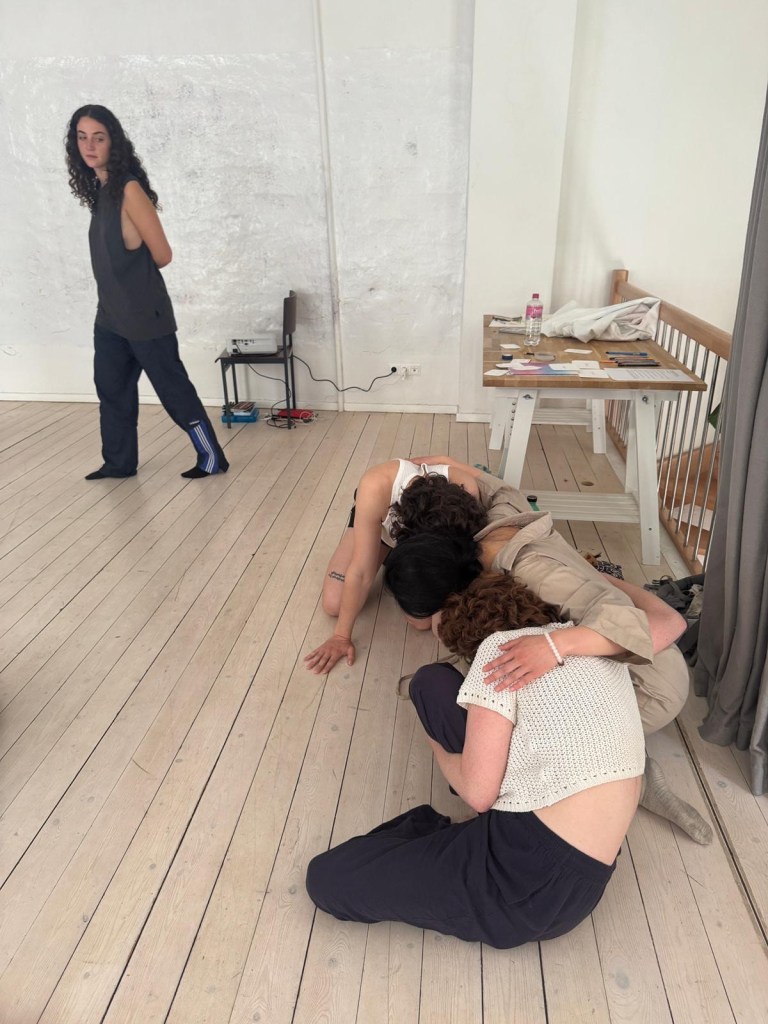
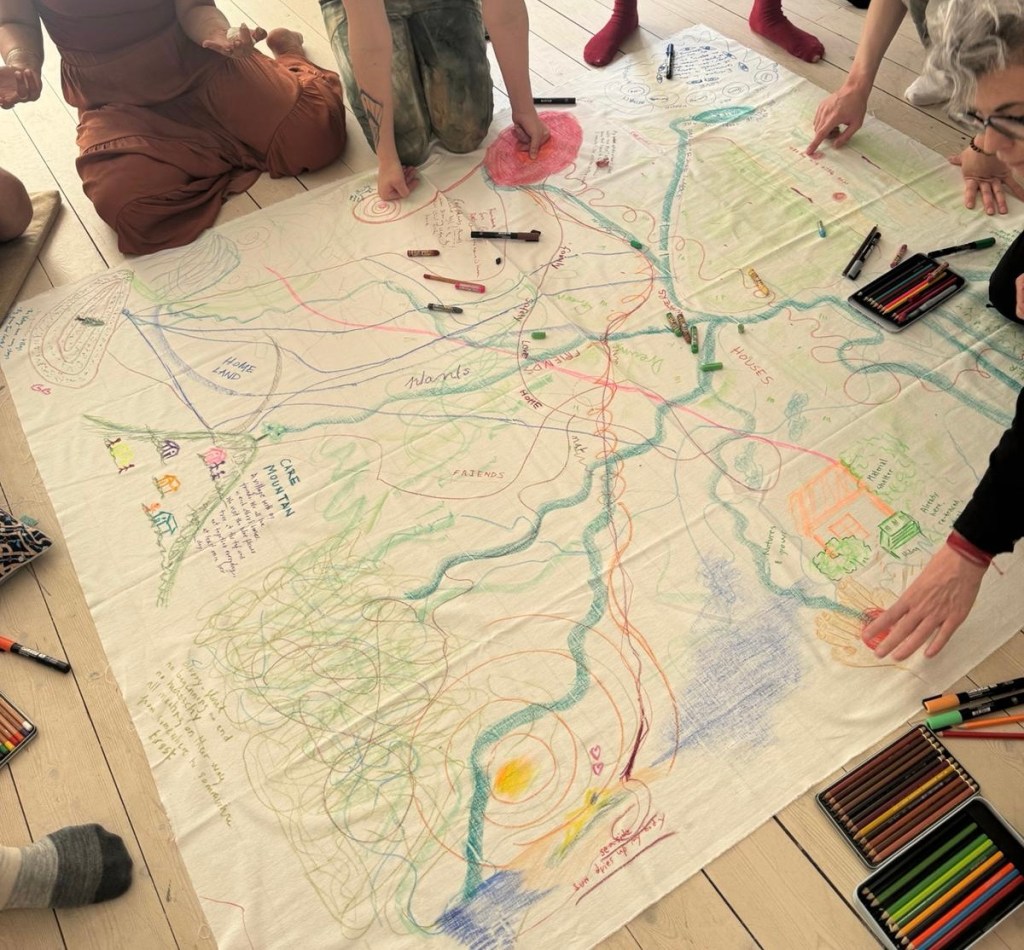
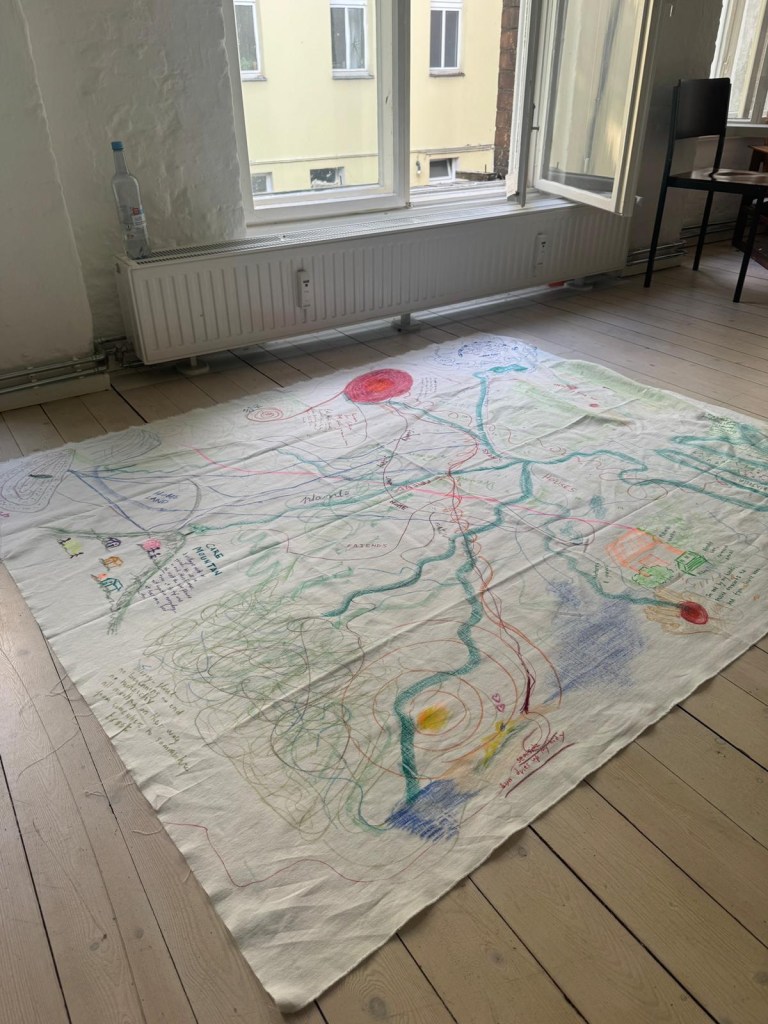
Description
Co-weaving began as a choreographic practice that cultivates collective modes of storymaking and worldmaking, and has been shared through performances and workshops. Since 2022, choreographer Yeong Ran has been inviting parent-artists and artists who resonate with care issues and share a need to develop collective practice. A group of artists, Suna Lee, Sunghee Wei, Seolae Lee, Sangeun Yoon, and Eonjin Jeon, have contributed to the project. For this time in Berlin, Yeong Ran, Sang-eun, and Eon-jin will develop tools and guide workshops.
The Co-weaving workshop series has raised issues of the care crisis, reproductive labor, and mothering within the Korean context and created a space for parent-artists and participants from the cultural field to share thoughts & emotions through sound, movement & wordplay, readings, and writings.
During the Haut + Oyoun residency, the Co-Weaving group aims to grow practical strategies for creating & sustaining communities. Recognizing that we are interdependent beings, in need of social mothering and communities to give and receive support. Historically, communities bonded by commons, local culture & ecology have been continuously demolished by coloniality and capitalization around the globe. Social welfare & social security services (child care, elder care, medical care, pensions, etc.) have been implemented to provide a minimum social safety net, replacing/complementing traditional community care. However, freelance artists’ invisible labor and precarious work situations, among others in society, are occasionally excluded from social security. In this regard, we invite parent-artists and artists who resonate with these issues, desire reciprocal care, and are searching for change.
The Co-weaving group poses the following questions:
- How can we find or even create communities in the ruins of neoliberal individualization? What kinds of communities do we already have?
- What do we want to give and receive within these communities?
- How to seek common visions within a community, and what challenges us?
- How can we practice social mothering in our daily lives, in our neighborhoods, in our communities?
These questions are inseparable from broader ecological crises, where the erosion of care infrastructures is entangled with the degradation of the environments we depend on. Across Seoul and Berlin, the workshop explores how these intersecting crises manifest in distinct urban and cultural contexts, and what can be learned through their intersection.
Merging poetic creative practices with cognitive social change workshops, we will explore questions, share tools, and learn from each other. We hope that this temporal gathering inspires participants to envision desirable communities, practices in your social settings, or even discover a new ally/kinship/neighbor.
Date, Schedule & Space
24th, Sunday, May, 10:00~15:00
Xberg Remise at Manteuffelstraße
9:30/ Door Opened. Short Survey while waiting
10:00/ Introduction, Participants check in, Sound meditation practice (Reading)
11:00/ Imageries of Care, Movement & word play 1 &2, Short Break
12:00/ Mind mapping & Finding Common keywords
12:30/ Lunch Break (* Reflection after the workshop: What kinds of care support do you need?)
13:15/ Future Workshop: Problem of the world/Utopian, Collective reading
14:00/ Citizens’ Assembly Tool: issues/solutions 15:00~15:30/ Weaving Future Stories. Round Up & Good Bye
Upcoming:
Co-Weaving Future Workshop with Dangsan-dong Village Ritual Participants

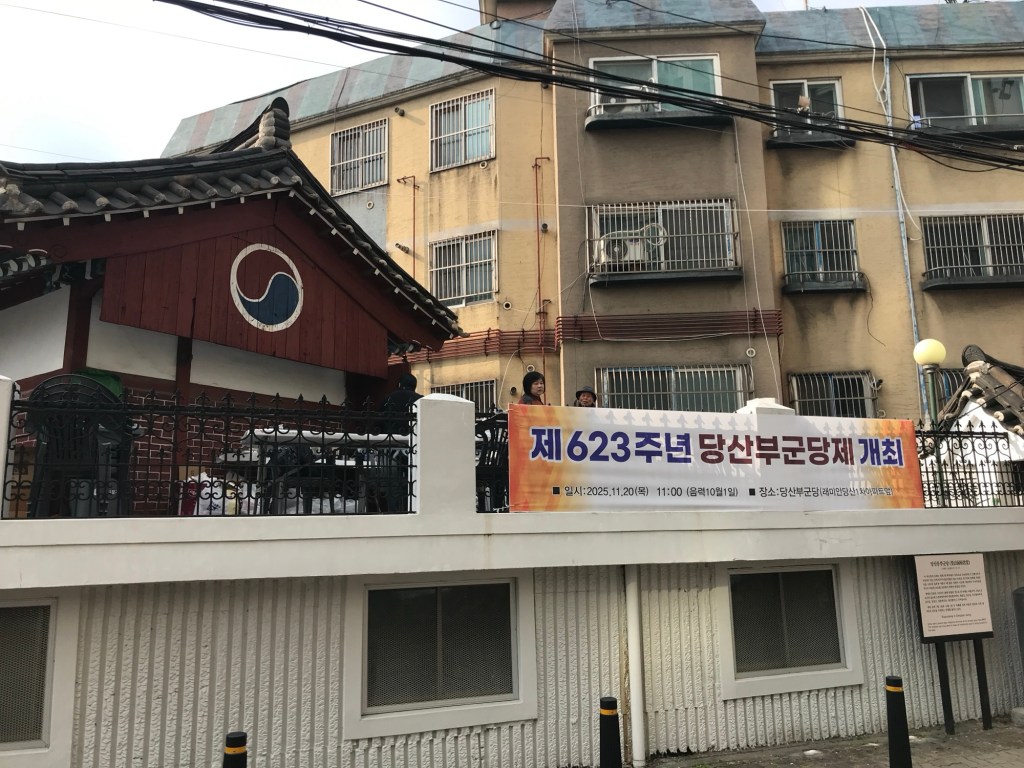
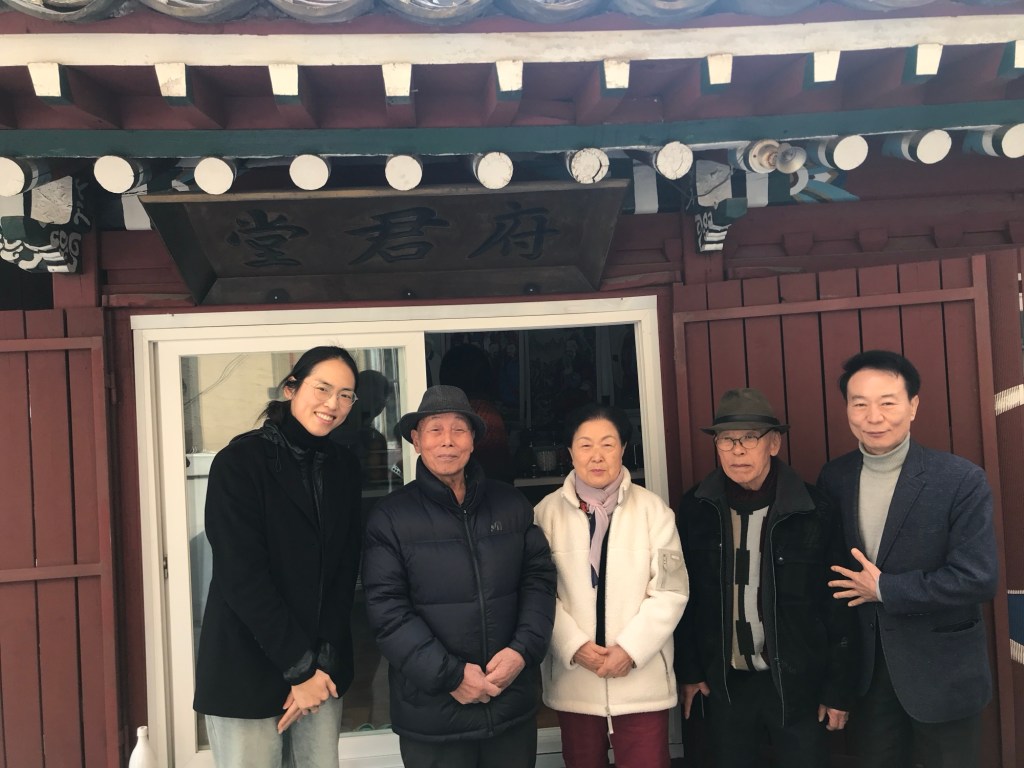
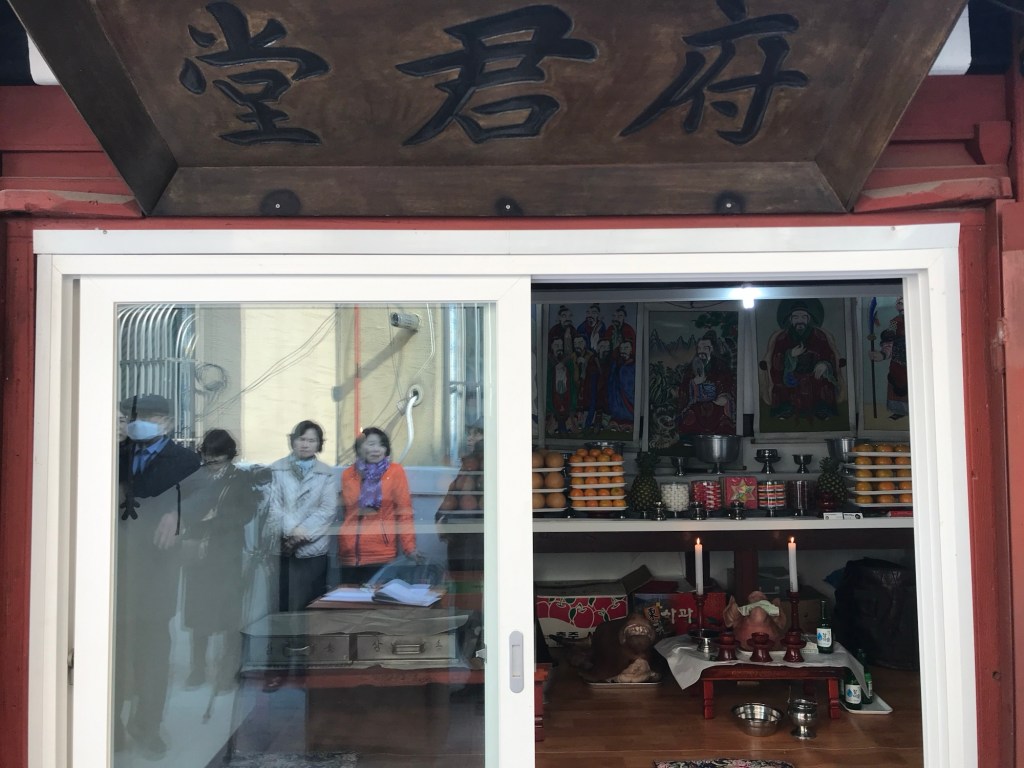
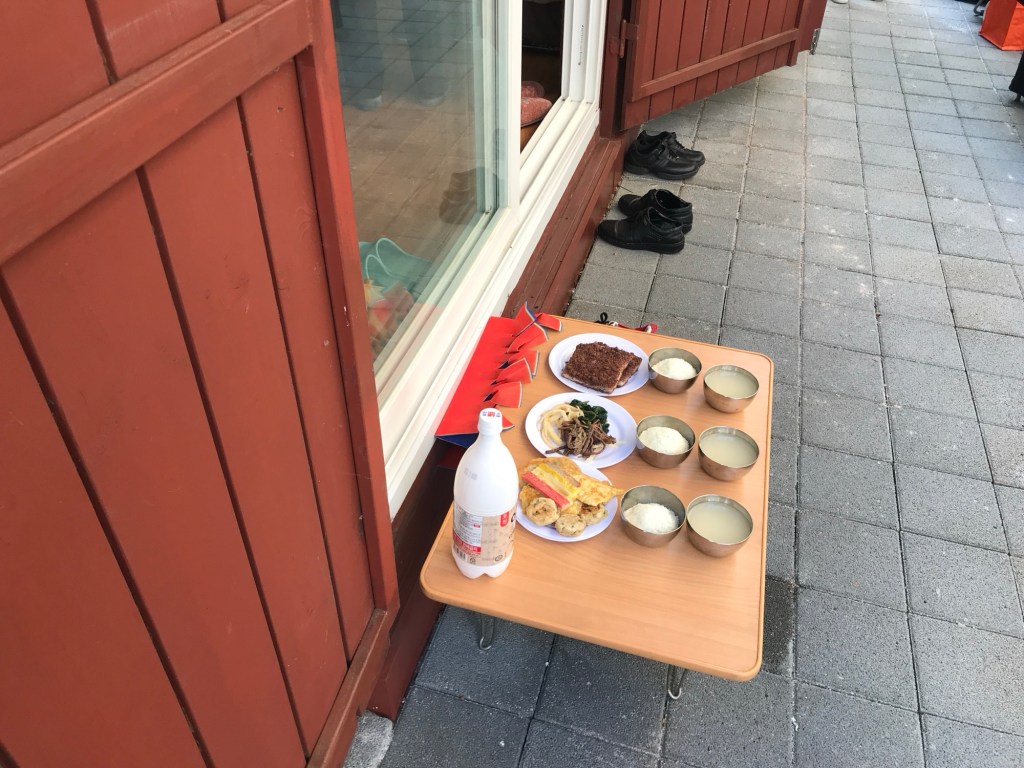
Dangsangdong village in the Yeongdeunpo district of Seoul has century-old Dangsangdong village ritual (부군당제) annually at the village shrine (당산동 부군당) and at the 500-year-old village guardian tree (Ginkgo biloba L.). It is believed that Dangsan (literally meaning “a mountain with a shrine”) saved the villagers from floods. Since then, the villagers have built a shrine and held proper rituals. After experiencing drastic urban development, from agricultural fields to colonial military factories and manufacturing industries in the 60~70s, to commercial and residential development in the 80~90s, to urban redevelopment in the 2000~2020s, the ritual scale and number of participants declined significantly.
Currently, the demolition of the village shrine under the urban redevelopment plan is being drafted by Yeongdeungpo Municipality, which has subsidized the annual village rituals as part of local heritage, without considering ritual participants’ opinions. Since my ethnography and collaborative art project (Never Ending Stories, 2011) in Dangsandong, villagers have identified their difficulty with 추렴 (community donation) as a main obstacle to continuing the ritual. In parallel, the district became a competitive ground for a high-priced real estate investment. (Suh 2026) This case reveals that modernist development has changed not only the material landscape and villagers’ economic activities but also their economic concepts, rupturing the community based ritual economy. Additionally, it reveals that in the post capital society, the shrines are in danger of demolition regardless of its cultural heritage values. Following Lee, shrine demolition did not occur in early industrial times but rather in the urban redevelopment or beautification stage, which is expected to reshape the urban landscape and culture.
We are planning to hold Co-weaving Future workshops with Dangsan-dong ritual participants to incorporate local perspectives on current challenges and visions for the future sustainability of village rituals and the shrine, which, in a broader sense, are critical to urban planning and landscape design.



You must be logged in to post a comment.