Ethnography in Seoul Village Shamanic Gut (Ritual)
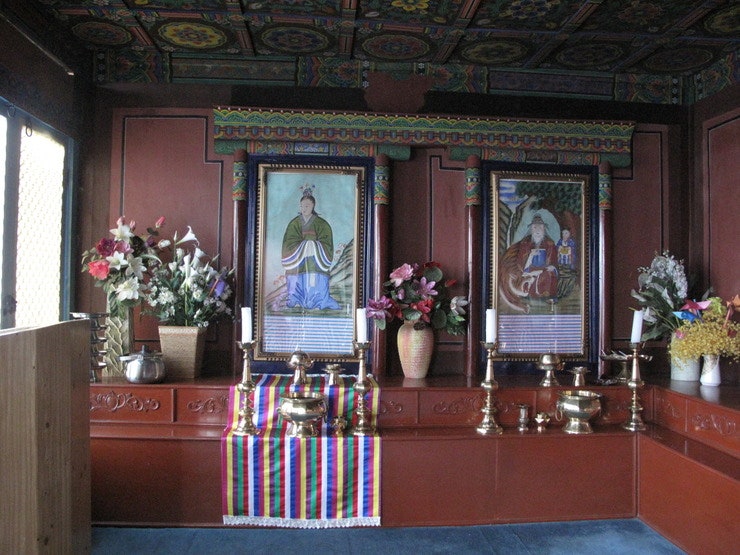
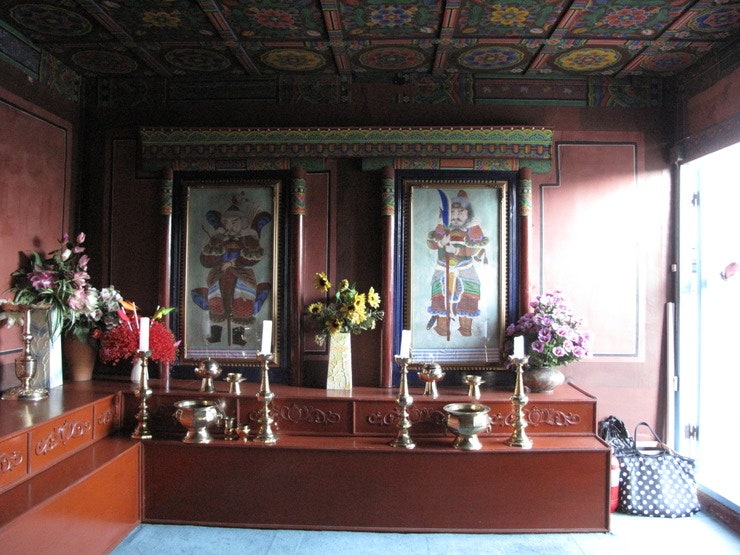
In 2011, I conducted an ethnography on Seoul village shamanism, visiting villages following the previous folklore studies, ‘Seoul Maeul Gut (Hong Ju Park, 2001)’. I visited each site of the shrine, including the sacred tree, and contacted the chief of the ritual, as well as district centers and community centers. I also interviewed elderly people who maintain and participate in village shamanic rituals.





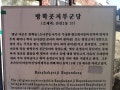
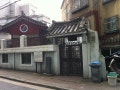

Participatory Observation in Rituals


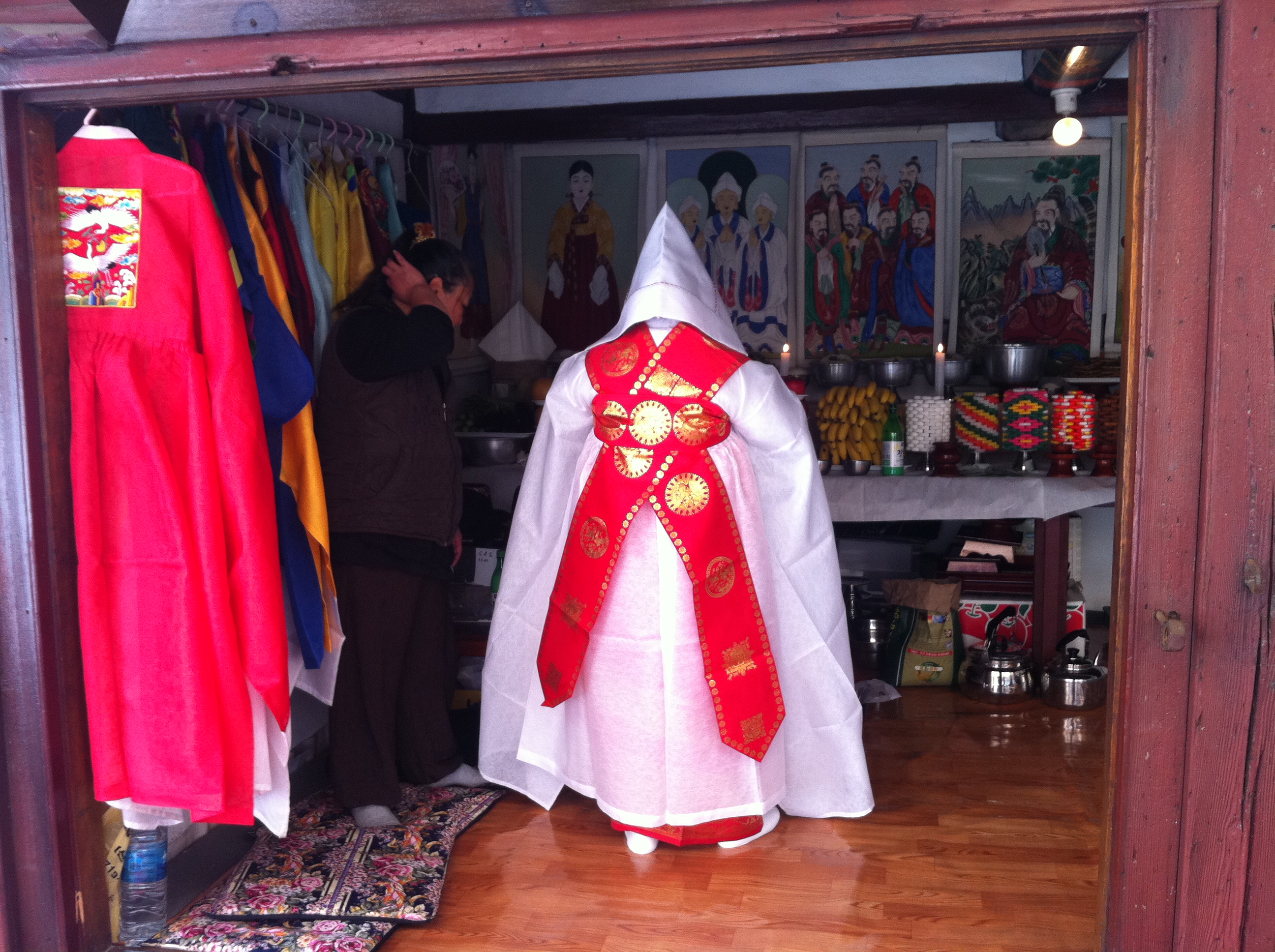
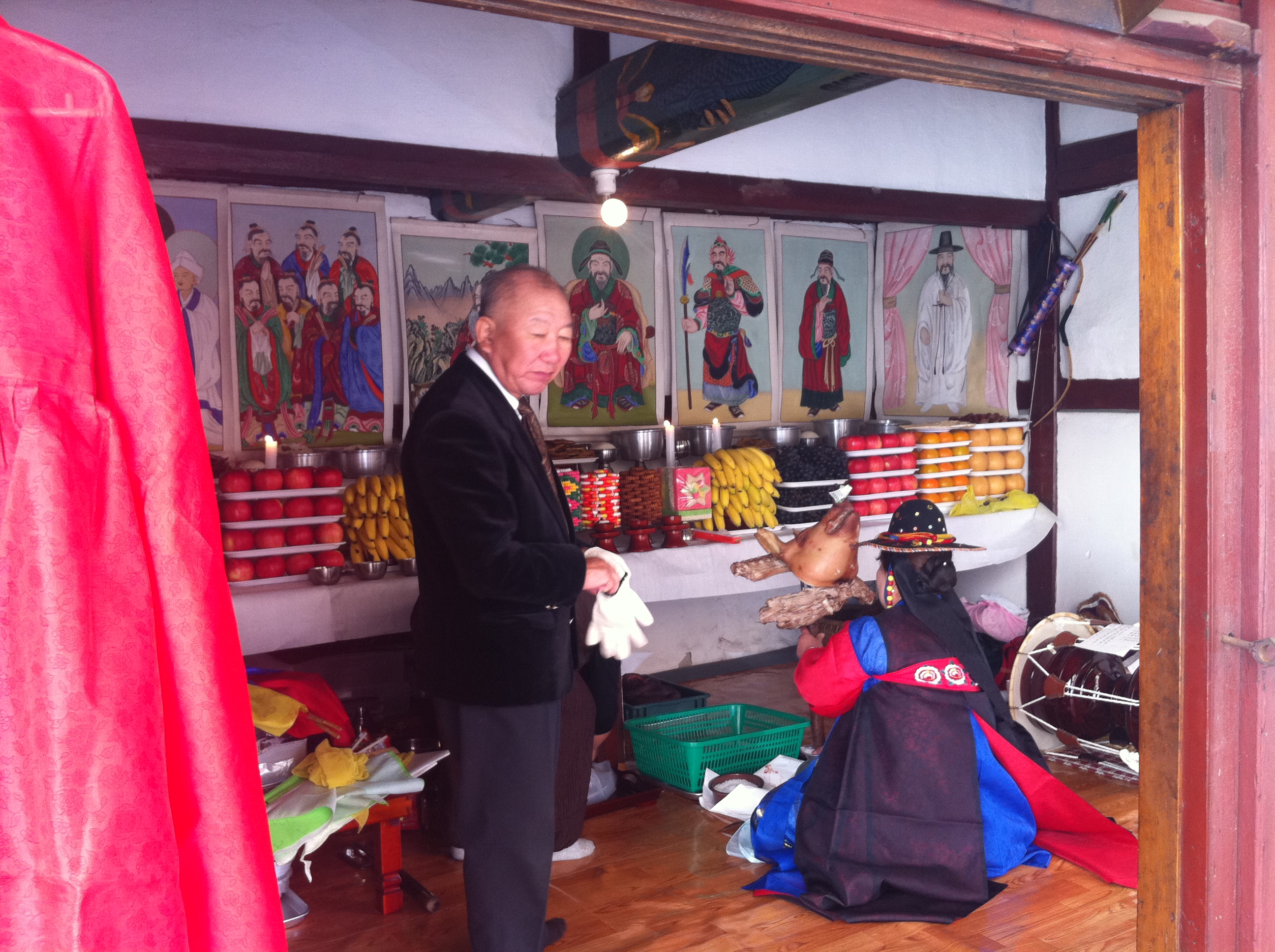
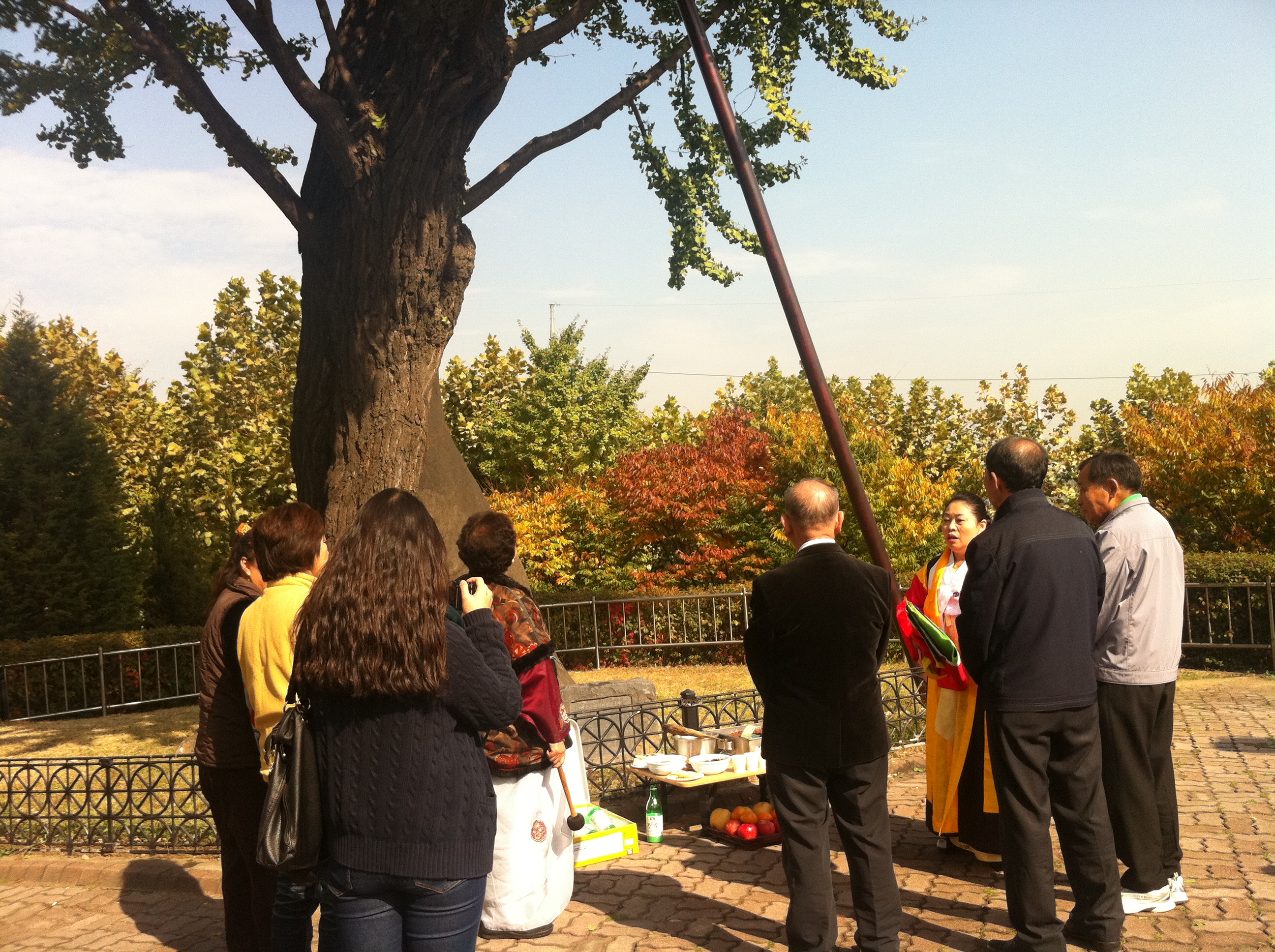
A Site-Specific, Tour Performance, ‘Neverending Stories’

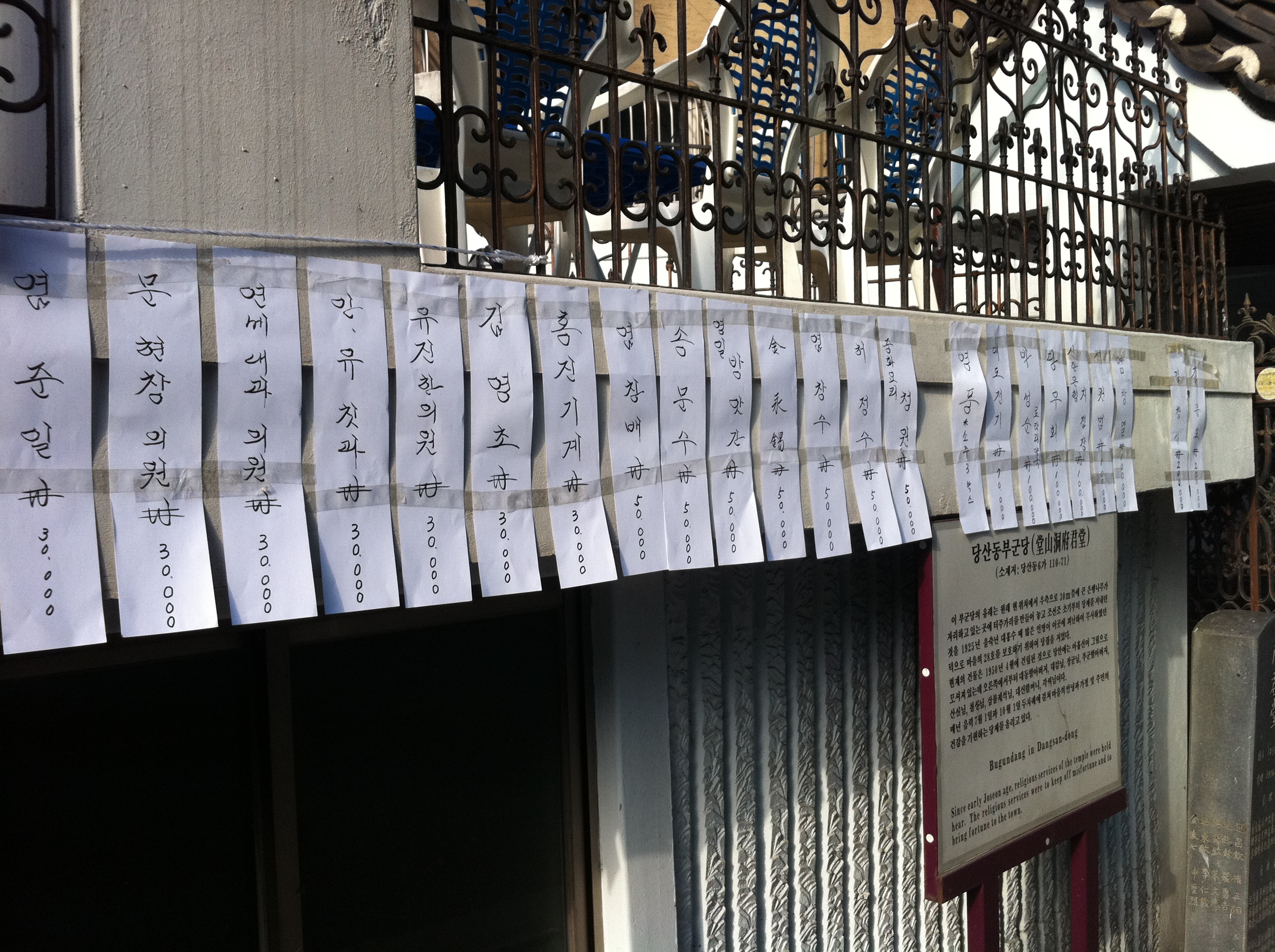
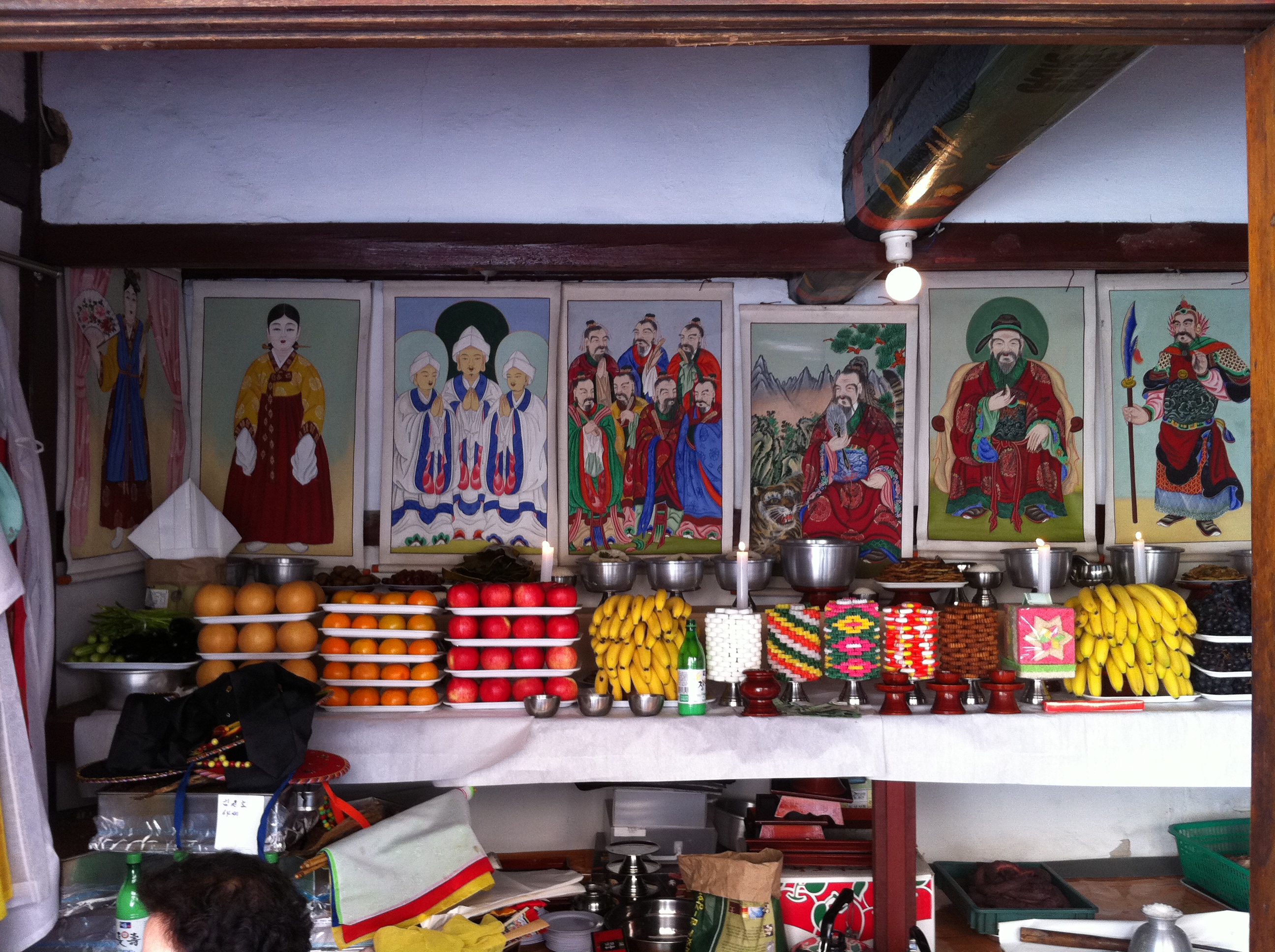
After visiting various villages, I did intensive ethnography in Dangsan-dong, where relatively more people and generations were engaging in the rituals. For about three months, I visited them every week, listening to the stories of elderly people around their village ritual, including their struggles to continue after urbanization, conflicts within the native community, and external conflicts with newly migrated neighbors. As a result, we planned a tour performance where audiences could visit the village and hear about this tradition from the elderly. At the same time, newly migrated neighbors (Parents and children) participated in the last part of the performance as a show of respect for this tradition.
Introduction
A Site-specific, Tour performance in collaboration with villagers (2011)
Have you heard about Dangsandong Bugundang (shamanic shrine)? Can you imagine Village Shamanic Ceremonies in Seoul, one of the most civilized cities in the world? Dansandong shamanic shine and the villagers’ ritual have survived for 500 years, the colonial era, the Second World War, industrialization, and natural disasters like floods.
We invite you to hear about the stories of Dansandong shamanic ritual and the villagers. However, please visit here with sincerity to encourage the native villagers of Dansandong and hear their stories.
This performance invites audiences to Dangsandong village, where you will meet and visit villagers at a local restaurant, office, house, and shamanic shrine. You will be told the stories of Dangsandong shamanic ritual, which is still alive in the city with traces of history and civilization.


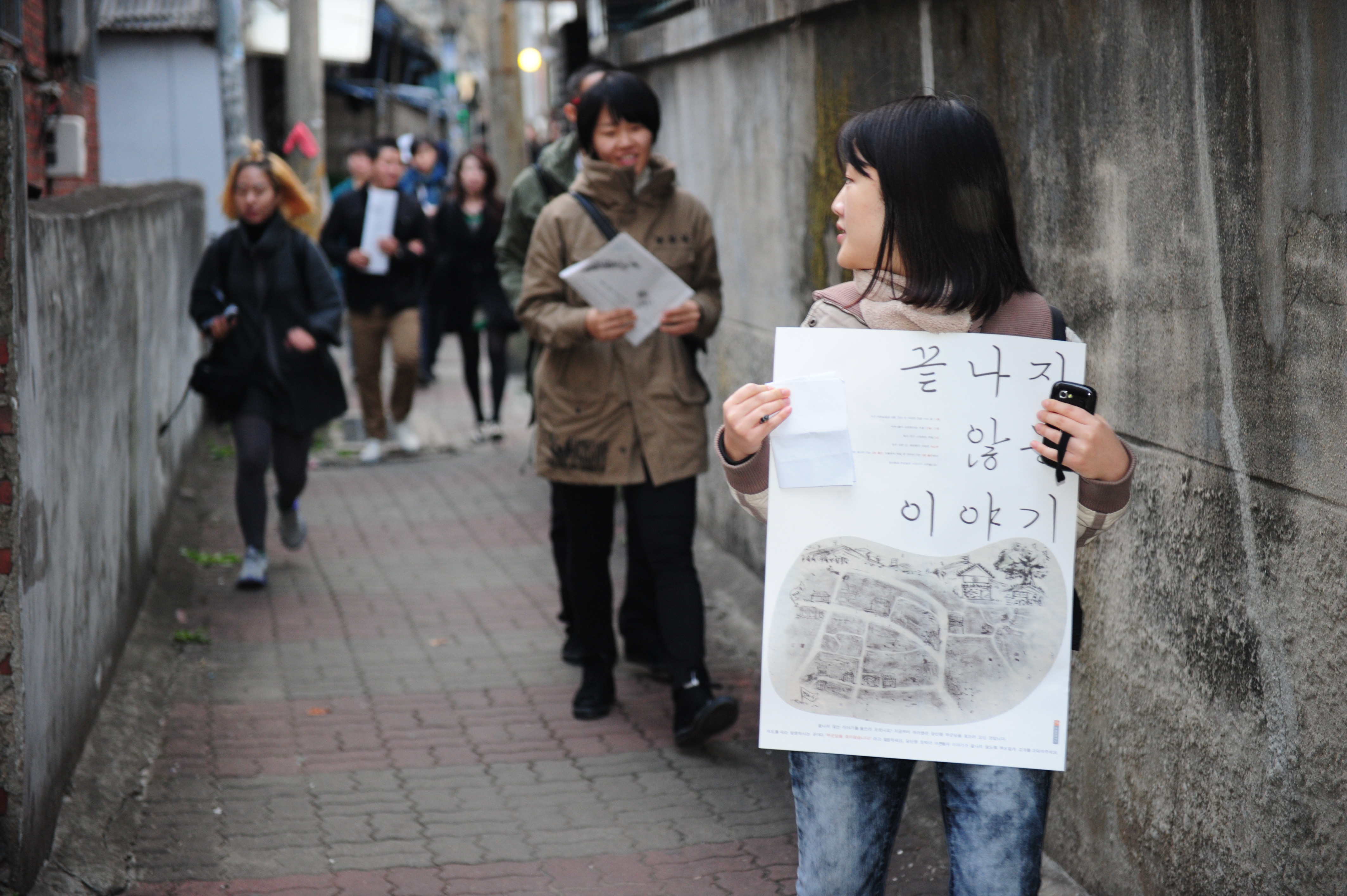


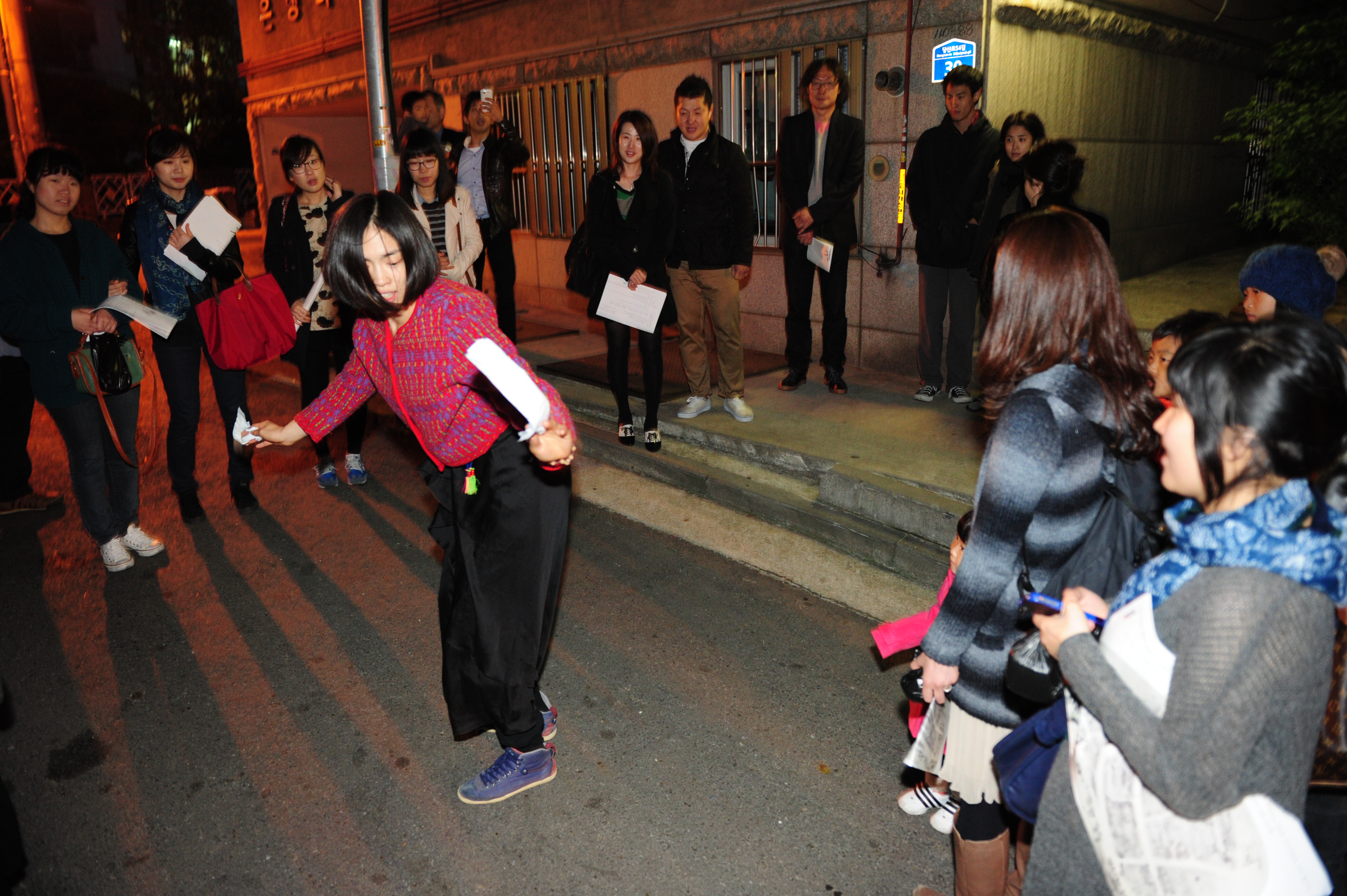

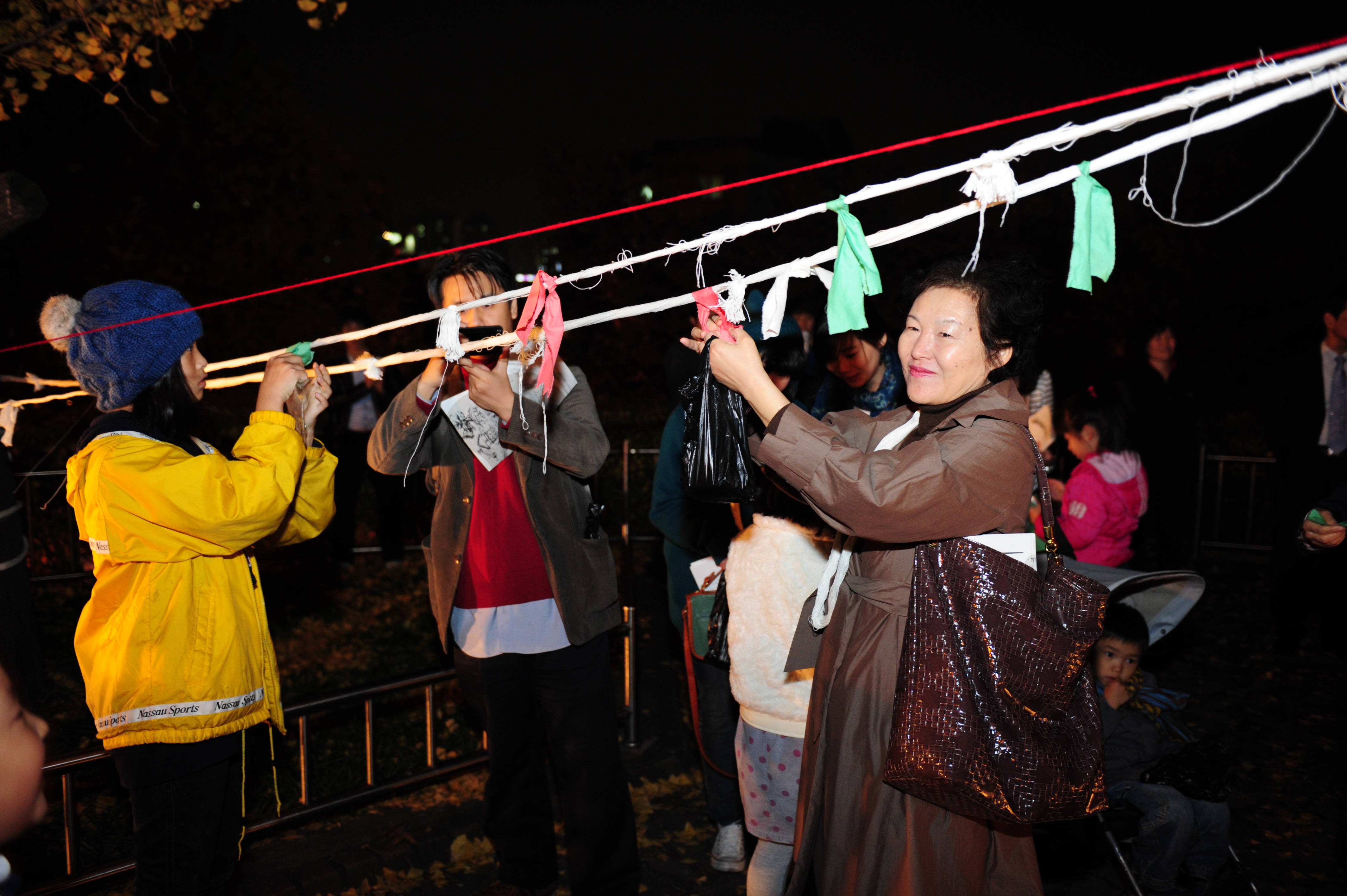

<끝나지 않는 이야기> / 2011
당산동 부군당을 아시나요?
서울이라는 도시안에 남아있는 마을굿을 아시나요?
당산이 깍이고 홍수가 나고, 전쟁 포탄이 떨어져도
마을의 안녕을 기원하는 당산동 사람들이 모시는 제사입니다.
… 도시 속에 남은, 도시의 잔해가 남은,
500년 된 당산동과 부군당의 이야기를 들으러 오세요.
다만 당산동 토박이 어른들께서 신나게 이야기하실 수 있도록
진심어린 눈빛으로 바라봐 주셔야 합니다.
Credit
Concept: Yeong Ran Suh
Collaborative Artists : Sun A Lee, Ja In Han, Yeong Ran Suh
Participating Villagers: 조박사님과 얼음집, 안 할아버지, 부군당 제주님, 당산동 국밥집, 당산동 미용실 등
Guider: Sang Eun Yoon, Na Yoon Heo
Staff: Sara Park, Wang Sik Ahn
Photo Documentation: Sang Gyun Ahn
Video Documentation: Hye Yoon Jung
Thanks to: Dangsandong community office, Dansandong Bugundang Conservation Association
Supported by:
Seoul Foundation of Art and Culture (2011), Ganesa Production (2012), Judson Drama Strikeout (2020)
Review
<어린이 신문: 여럿이 함께> 리뷰 (글쓴이: 김우진, 이상명)
Documentation of Ethnography
Published by PAN-Asian Performing Art Magazine. Vol.5
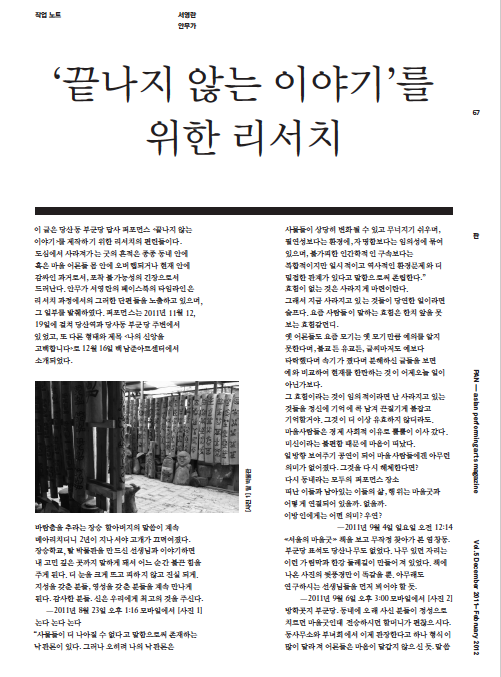
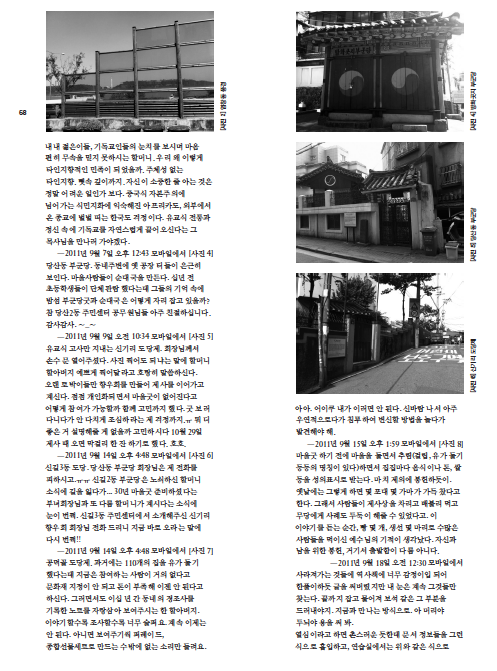
Never-ending Stories App
After the tour performance, this ethnography was introduced as a lecture performance, <I Confess My Faith>, in 2012. In 2020, the stories of elderly people in Dansandong was introduced as an App. When audiences download the app and visit each site in the village, they can hear and watch the sounds or videos.


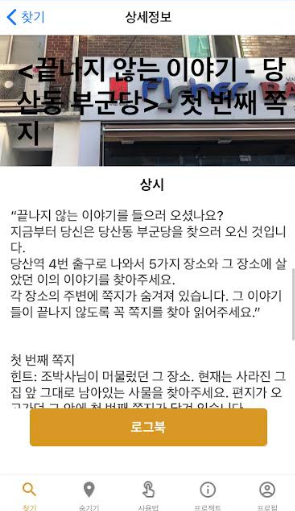

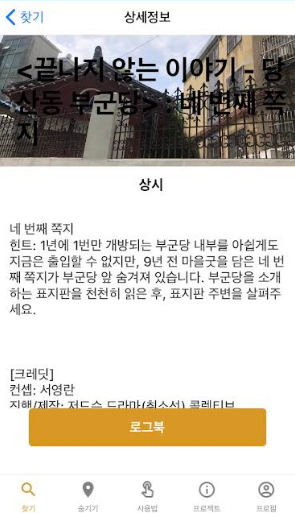

Regardless of the great effort to conserve the rituals, the Dangsandong shrine and its shamanic ritual have not been assigned as a cultural asset. Currently, only one elderly man is responsible for the ritual on a smaller scale (every year on the full moon of October following the Luna calendar), with the support of the Yeongdeungpo district. (Written on June, 28, 2025)
 yeongransuh.com
You must be logged in to post a comment.