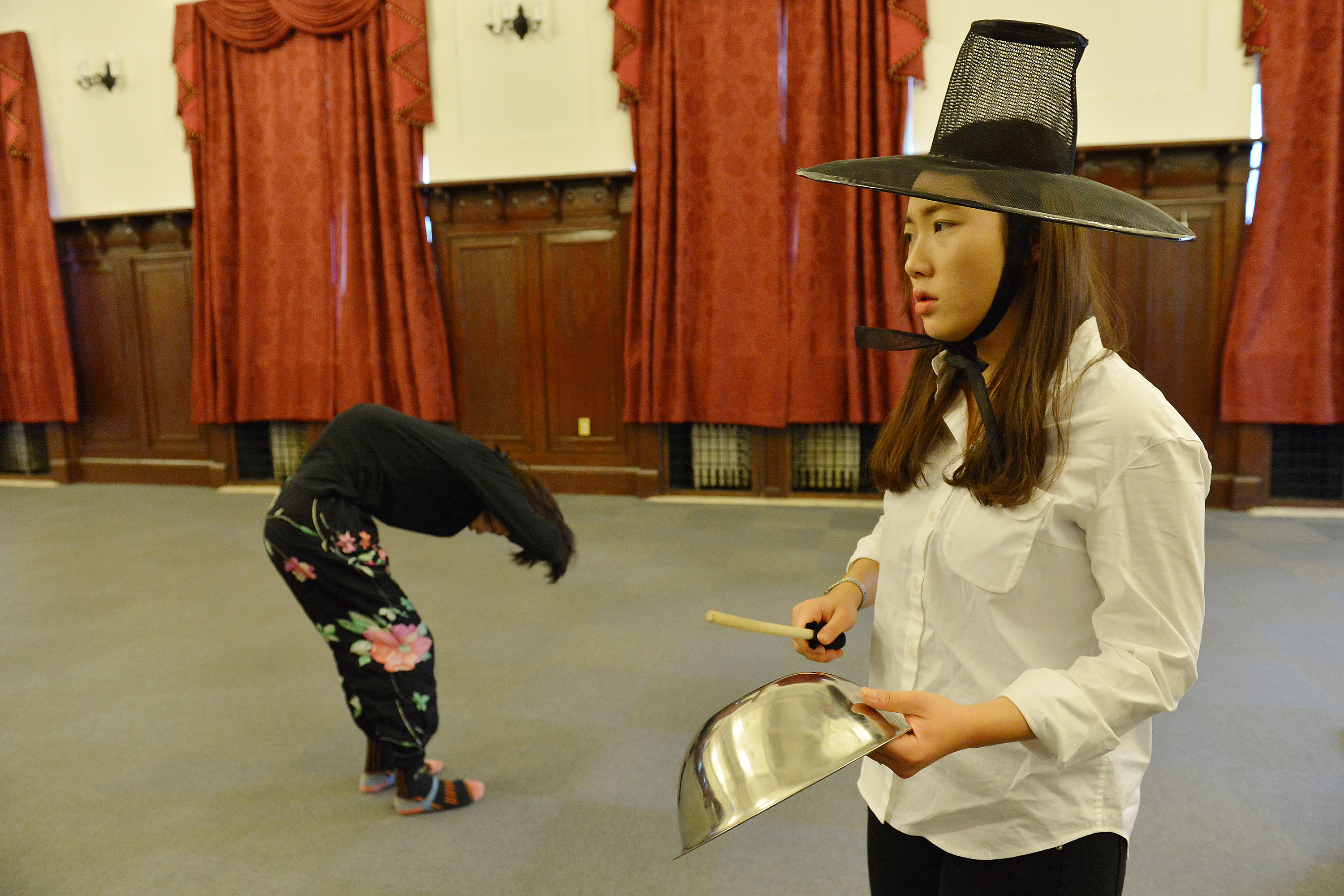
How were Korean traditional dance and singing before they came on the Western-style theater stage?
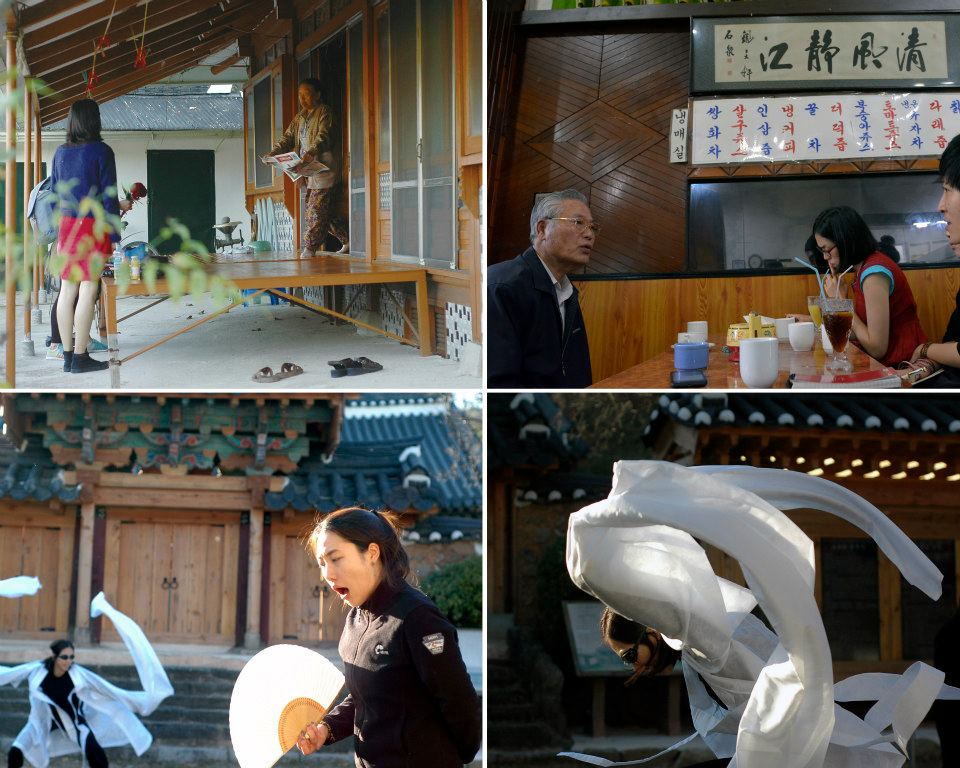
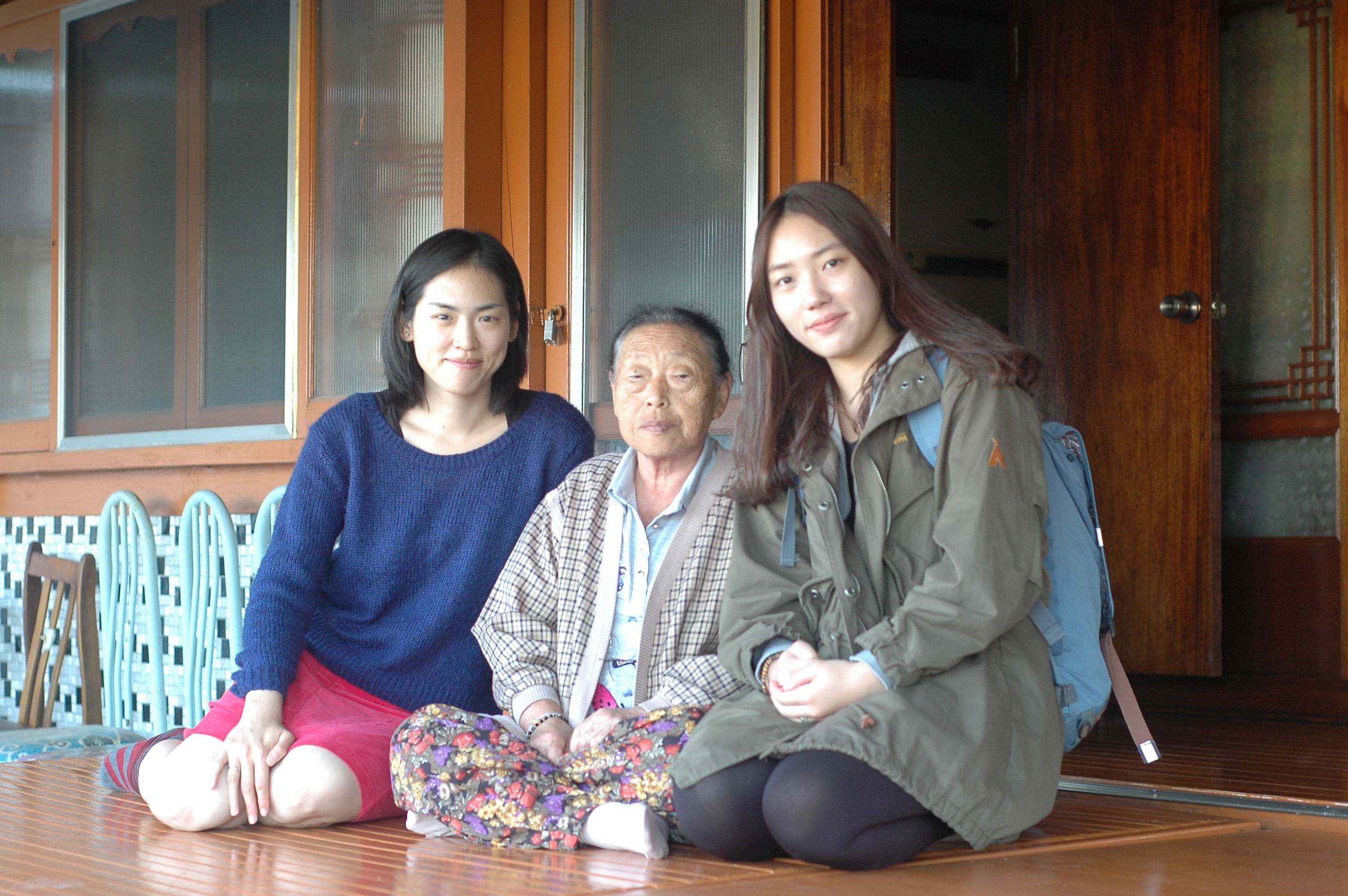
To answer the previous question, Yeong Ran Suh, a dancer and choreographer, and Eunsil Noh, a pansori ( traditional single opera) singer, traveled to several provinces in South Korea and interviewed the masters or pupils of deceased masters who practiced dance and singing before modernization and the adoption of the intangible cultural asset policy.

Dance and singing, captured in the memories of those who experienced them during colonialism and modernization in Korea, carry the scent of wilderness.
The traditional dance did not pursue a fixed, rigid form. Instead, it had a room for spontaneously improvising and affectively interacting with the weather, space, and audience. ‘Receiving god, what colonial modern considered as superstition, was perceived as deserving to dance freely and to sing as easily as talking (“dance like Beolreong Beolreong(freely) and sing like talking” said by Kyeong Ja Park, a shaman of Sunchon samseolyang gut).
This artistic search for pre-colonial/pre-modern aesthesis (the other worlds of sensing, meaning, and experiencing) and interpreting them into performance making brings out wild probabilities and presents unexpected images by the dancer and Pansori singer. The song of the master leads us to the cheerful dance in front of Korean popular music, Trot, and also to the sound of the selling man in Namdaemun old market.



Credit
Concept: Yeong Ran Suh
Collaborative research & creation: Eun Sil Noh, Yeong Ran Suh
Sound: Minhwi Lee, Tae Sun Yoo
Light: Dong Wuk Jung
Visual design: Bora Kim
Photo: Sang Hoon Ok
Video: Bitnari Shin
Special thanks to interviewees ;
Jeonju Salpuri dnace master, GapLae Jo,
Samseolyang gut shaman, Kyeong Ja Park
Pupil of disabled dance master. Ok Jin Kong, Hyeon Sun Han
Jinju Mask Dance scholar, Su Up Kim
Supported by Sunchon Art Space (2013), Mullae Map (2013), Seoul Foundation of Art and Culture (2013), Mongol Nomadic Artist Residency by Art Council Korea (2013)
Research Documentation
순천 레지던시 (돈키호테) 중 인터뷰, “묘책_기억과 증명”
Touring History
Festival Tokyo, Emerging Artist Program, 2014
Sunchon Don Quixote Art Space, 2013
Culture Station Seoul Exhibition, 2013
Salon de Factory, 2013
REVIEW
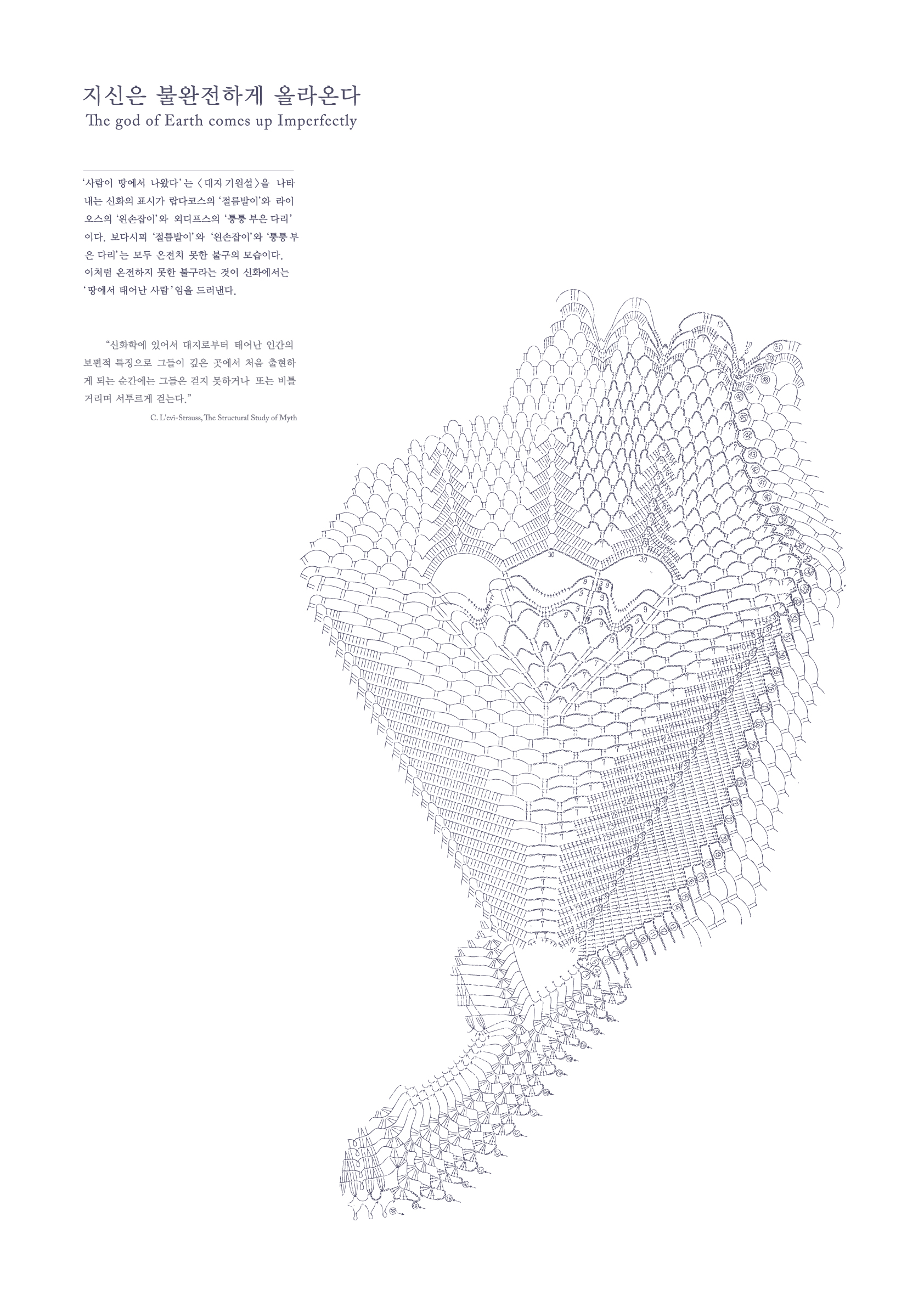
서울문화재단 매거진 Vol. 72 (2013. 2) <지신은 불완전하게 올라온다> 프리뷰
 yeongransuh.com
You must be logged in to post a comment.